The type of leather on a sofa comes down to two things: which layer of the hide it is cut from (the grade) and how its surface is treated (the finish). Full-grain and top-grain leather are the durable, long-lasting choices, while split and bonded leather cost less but wear out much sooner. The finish, from natural aniline to protected pigmented leather, decides how soft the sofa feels and how well it handles spills.
Labels such as "genuine leather" or "Italian leather" sound reassuring but say little about either grade or finish. This guide explains the terms you are likely to see, compares them side by side, and shows how to tell them apart in a store.
Key points
- Full-grain keeps the whole natural surface of the hide. It is the strongest grade and ages into a rich patina.
- Top-grain is lightly sanded and finished for a more even look, and it is what most good-quality leather sofas use.
- Split and bonded leather are cheaper. Bonded leather in particular tends to peel and flake within a few years and cannot be properly repaired.
- The finish matters as much as the grade: pigmented (protected) leather resists stains best, while aniline is the softest but marks easily.
- "Italian leather" tells you where the leather was tanned and finished, not how good it is.
In this guide
- How a hide becomes sofa leather
- Leather grades, from best to most basic
- Bonded leather: what to know before you buy
- Leather finishes: aniline, semi-aniline and pigmented
- Leather types compared
- Italian leather: what the label really means
- How to identify the leather on a sofa
- Which leather type is right for your home?
- Frequently asked questions
How a hide becomes sofa leather
A cowhide is too thick to upholster with as it is, so tanneries split it horizontally into layers. The outer layer, called the grain, carries the hair follicles and the tight, dense fibers that make leather strong. The lower layer, called the split, has looser fibers and no natural surface of its own.
The leather is then tanned so it does not decay. Most upholstery leather is chrome-tanned, which makes it soft, supple and even in color. Vegetable tanning with plant tannins gives a firmer leather that is more common in bags and belts than on sofas. Finally the leather is dyed and finished, and this last step creates most of the differences you see and feel in a showroom.

Leather grades, from best to most basic
Full-grain leather
Full-grain leather keeps the complete grain layer, with no sanding. You can see pores, small scars, creases and variations in color, which is exactly what fans of this grade want. Because the dense surface fibers are intact, it is the strongest and most breathable leather, and it develops a patina: a gradual deepening of color and sheen from light, use and body oils.
The trade-offs are price and appearance. Full-grain is usually the most expensive grade, and when it has a natural aniline finish, scratches and spills show. On good leather, light scratches often blend into the patina over time, but people who want a flawless surface may find this frustrating.
Top-grain leather
Top-grain leather comes from the same outer layer, but its surface is lightly sanded or buffed to remove blemishes and then given a protective finish. It looks more uniform and resists stains better than natural full-grain, although it breathes a little less and develops less patina.
For most homes, top-grain offers the best balance of durability, comfort and price, which is why it dominates mid-range and better leather sofas. With reasonable care it lasts for many years. Some sellers use "top-grain" loosely for any grain leather, including full-grain or heavily corrected leather, so ask what it means on the specific sofa.
Corrected-grain leather
Corrected-grain leather is grain leather sanded more heavily to remove bigger flaws, then embossed with an artificial grain and covered with a thicker pigmented coating. It is tough, easy to wipe clean and very even in color, but it looks and feels less natural and can feel slightly firm or plasticky. It is common on budget and mid-priced sofas and is often sold simply as "top-grain".
Split leather
Split leather is cut from the lower layer of the hide. It is real leather, but weaker and less supple than grain leather. For furniture it is usually coated with polyurethane and embossed to look like grain leather, or brushed into suede. Many sofas sold as "leather match" or "leather/vinyl" use top-grain leather on the seats, backs and arms where you touch them, and split leather or vinyl on the outer sides and back to save money.
Bonded leather
Bonded leather is not a single hide at all. Leather scraps are ground into fibers, mixed with a binder and pressed onto a fabric backing, and the surface is then coated with polyurethane and embossed with a grain. The leather content varies and is often low, so it behaves much more like a coated fabric than like leather.
Bonded leather: what to know before you buy
Bonded leather sofas sell well because they look like leather at a fraction of the price. The weak point is the surface coating. Body heat, sunlight, skin oils and friction gradually break it down until it cracks, peels and flakes, often on the seat fronts and armrests first. Once that starts there is no lasting repair; the real fix is reupholstering or replacing the sofa.
Pros
- Much cheaper than real leather
- Wide range of colors and a very even look
- Wipes clean easily while the coating is intact
- Can make sense for a lightly used room or a short-term home
Cons
- The surface often peels or flakes within a few years
- Damage cannot be truly repaired
- Breathes poorly, so it can feel hot and sticky in warm weather
- Does not develop a patina or age gracefully
- A short life means more furniture ends up in landfill
You can often recognize bonded leather by a perfectly even, repeating grain, a smooth and slightly plastic feel, and a price that seems too low for real leather. Read the specifications for words such as bonded, reconstituted, blended or "leather fiber". If you already own one, clean it with a damp cloth and a little mild soap, avoid solvents and household sprays, and keep it out of direct sun and away from heaters. A conditioner labeled safe for bonded or coated leather can help keep the surface supple; test it on a hidden spot first. If your budget points to bonded leather, a good faux leather sofa or a durable fabric is usually the better buy.
Leather finishes: aniline, semi-aniline and pigmented
The finish describes how the surface is colored and protected. It affects feel, care and stain resistance at least as much as the grade does, so always ask about both.
Aniline
Dyed through with transparent dyes and no pigment coating, so you see the natural surface. It is the softest, warmest leather and develops the deepest patina, but it absorbs spills, scratches easily and can fade in sunlight. Best for adult homes and owners who enjoy a lived-in look.
Semi-aniline
Aniline-dyed leather with a thin protective topcoat that contains a little pigment. It keeps much of the natural look and softness but resists stains and fading better. A popular middle ground on higher-end sofas.
Pigmented (protected)
Covered with an opaque pigment layer and a clear topcoat. It is the most stain- and fade-resistant option, with even color, but feels a little cooler and less natural and changes little with age. The practical choice for families, pets and sunny rooms.
Specialty finishes
- Nubuck is grain leather buffed on the outer surface to a velvety nap. It feels luxurious but stains very easily and needs specialist care.
- Suede is made from the split side of the hide. It is soft but even more delicate than nubuck and is rarely used for a whole sofa.
- Pull-up leather is treated with oils or waxes, so the color lightens where it is stretched or pressed. It gives a vintage look that keeps changing with use.
- Distressed or antique finishes add a worn, rubbed look from the start, which hides future wear well.
Leather types compared
| Type | Look and feel | Durability | Stain resistance | Patina | Relative cost |
|---|---|---|---|---|---|
| Full-grain, aniline | Natural, very soft, visible marks | Strongest leather, but the surface marks easily | Low | Strong | Highest |
| Full- or top-grain, semi-aniline | Natural with light protection | Very good | Medium | Moderate | High |
| Top-grain, pigmented | Smooth, even color | Very good | High | Little | Mid to high |
| Corrected-grain | Uniform, embossed, firmer | Good | High | Very little | Mid |
| Split (coated) | Grain-look, stiffer | Fair | Medium to high | None | Lower |
| Bonded | Uniform, plastic-like | Poor; coating peels | Medium while intact | None | Lowest |
| Faux (PU or vinyl) | Varies by quality | Fair to good | High | None | Low to mid |
Italian leather: what the label really means
"Italian leather" means the leather was tanned and finished in Italy. It is not a grade, and the raw hides often come from other countries. Italy has a long tradition of tanning and furniture-making, with major tanning districts in regions such as Tuscany and Veneto, and its tanneries are known for rich colors, a soft hand and careful finishing.
Because the term describes origin rather than quality, an Italian leather sofa can be covered in anything from aniline full-grain to corrected top-grain. A sofa can also use Italian leather but be built elsewhere, or be made in Italy with leather from another country. Ask for the grade and finish just as you would for any leather. Despite some marketing claims, Italian leather is still tanned with chemicals, usually the same chrome tanning used for most upholstery leather, although some tanneries specialize in vegetable tanning.

What sets a well-made Italian sofa apart
The best Italian leather sofas pair good leather with solid craftsmanship: kiln-dried hardwood frames (beech is a common choice in European furniture), reinforced joints, panels cut so the grain runs the same way, and tight, even stitching. Traditional details such as deep button tufting, where buttons anchored through the padding pull the leather into diamond-shaped folds, along with piping and decorative studs, take skilled hand work. For styles and what to expect, see our overview of Italian leather sofas, and our sofa construction guide for what to check beneath the leather.
The drawbacks are the same as for any premium leather: a higher price, and natural finishes that need regular gentle cleaning and conditioning with products suited to that finish. Follow the manufacturer's care instructions, because the wrong product can dry out or discolor fine leather.
Environmental and ethical questions
All leather has an environmental footprint, mainly from tanning chemicals, energy and water, and Italian leather is no exception. Tanneries in Italy operate under EU environmental and chemical rules, and some manufacturers publish independent audits of their tanneries, such as Leather Working Group certification. Most cattle leather is a byproduct of the meat industry, but if animal welfare is a concern, ask how the hides are sourced or consider a faux leather or fabric sofa instead.
How to identify the leather on a sofa
- Read the full specification. Look for both the grade (full-grain, top-grain, split, bonded) and the finish (aniline, semi-aniline, protected or pigmented). Vague wording such as "genuine leather" or "leather look" usually means a lower grade, or no leather at all.
- Ask where the leather is used. Check whether the outside back and sides use the same leather as the seats. "Leather match" means they do not.
- Look closely at the surface. Grain leather shows irregular pores and small natural variations and has a distinct leather smell. A perfectly repeating pattern or a plastic smell suggests corrected, split, bonded or faux material.
- Look at the edge of a swatch. Real leather shows a fibrous, suede-like cross-section. Bonded and faux leather show a woven or knit fabric backing.
- Press and stretch gently. Natural and pull-up leathers wrinkle finely and change shade slightly under your thumb; heavily coated leather stays uniform.
- Try a water drop on a hidden spot, with permission. On aniline leather a drop soaks in and darkens the spot briefly; on pigmented leather it beads up. Blot it away right away.
- Compare the price. Full-grain and top-grain sofas are costly to make. A full-size "leather" sofa at a budget fabric-sofa price is almost certainly bonded, split or faux.
Which leather type is right for your home?
- Kids and pets: pigmented top-grain leather wipes clean and hides light wear best. Claws can still scratch any leather; our pet-friendly sofa guide covers the options.
- A sunny room: choose pigmented or semi-aniline leather, because aniline fades noticeably in direct sun.
- You love character: full-grain aniline or pull-up leather, as long as you are happy for marks and patina to become part of the look.
- Low upkeep: pigmented leather needs the least care and tolerates small mistakes best.
- A tight budget: a corrected-grain or leather-match sofa from a well-built range lasts far longer than bonded leather. Otherwise, consider quality faux leather or fabric.
Tip: Ask the seller which cleaner and conditioner they recommend for that exact leather. The answer tells you how delicate the finish is, and following it protects your warranty.
Whatever type you choose, simple care keeps it looking good: dust it weekly, blot spills right away, and keep it at least 2 feet (60 cm) from radiators and out of strong direct sun. Our guides on how to clean a leather sofa and how to condition a leather sofa explain the routine for each finish.
Frequently asked questions
What is the most durable type of leather for a sofa?
Full-grain leather is the strongest because its dense surface fibers are intact. For everyday practical durability, though, protected (pigmented) top-grain leather often performs best, because its coating resists stains, fading and light scratches. Bonded leather is the least durable.
Is full-grain or top-grain leather better for a sofa?
Full-grain is the higher grade and ages more beautifully, but it costs more and shows marks. Top-grain is more uniform, more stain-resistant and better value, which makes it the better fit for many busy homes. The finish (aniline, semi-aniline or pigmented) often matters more to daily life than the grade.
Is "genuine leather" good quality?
"Genuine leather" only means the material is real leather. It says nothing about the grade, and it is often used for lower grades such as split leather. Ask for the specific grade and finish before you buy.
How long does a leather sofa last?
A well-built full-grain or top-grain leather sofa often lasts 15 years or more with regular care. Bonded leather can start peeling within a few years. See our guide on how long a sofa lasts for the signs that it is time to replace one.
Is Italian leather better than other leather?
Not automatically. Italian tanneries have an excellent reputation, but "Italian leather" describes where the leather was processed, not its grade. A top-grain sofa from any good tannery can outlast a cheaply made sofa with Italian leather.
Can a peeling bonded leather sofa be fixed?
Not in a lasting way. Patching kits and paints can hide small spots for a while, but the coating keeps breaking down around them. Reupholstering, a fitted cover or replacement are the realistic options. Our leather sofa repair guide explains what can be repaired on real leather.
Once you know the grade and finish you want, the next step is checking the rest of the sofa: frame, cushions, comfort and price. Our guide on how to choose a leather sofa walks you through it, and the leather sofa hub collects all our leather buying and care guides.
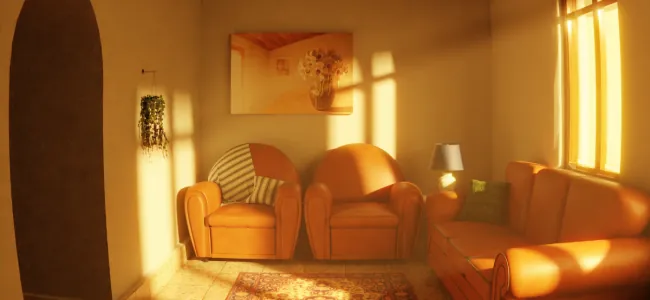 Leather vs Fabric Sofa: Which Should You Choose?Leather or fabric? Compare durability, comfort, cleaning, pets, allergies and cost, plus the leather grades and fabric types to look for on the label.
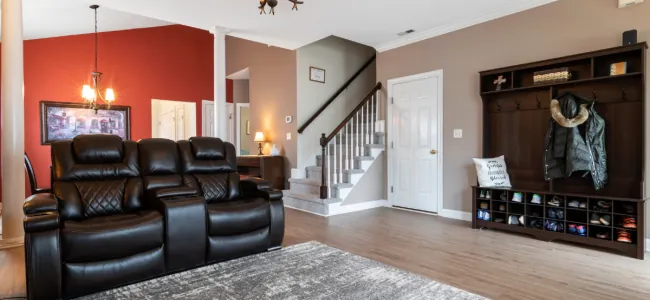 Faux Leather Sofa Guide: PU vs Vinyl vs Bonded, Care and RepairFaux leather sofas explained: PU vs vinyl vs bonded leather, why some peel, how long they last, how to clean them, fix small tears, and when to buy one.
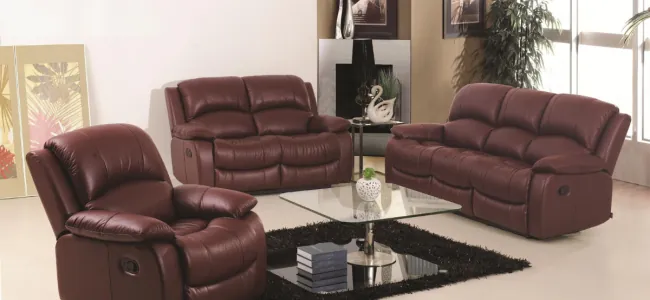 How to Choose a Leather Sofa: Quality, Comfort, Price and Where to BuyHow to choose a leather sofa: in-store quality checks, what drives the price, soft vs firm comfort, where to buy, and whether leather is worth it.
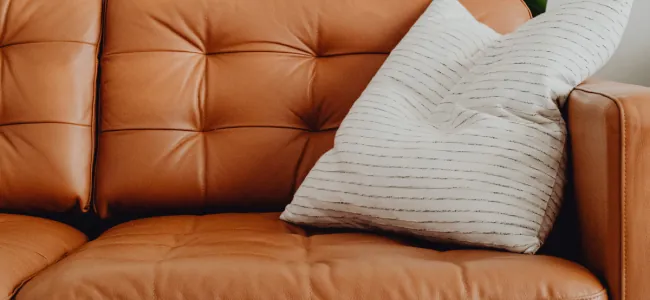 Leather Sofa Decorating Ideas: Colors, Rugs, Pillows and Accent ChairsDecorate around a black, brown, cognac, burgundy or white leather sofa: wall and accent colors, rugs, pillows and throws, accent chairs and lighting.