To condition a leather sofa, vacuum it, clean it with a mild leather cleaner, let it dry, then work a thin layer of conditioner suited to your leather type into the surface and buff off the excess. Most sofas need this every 6 to 12 months, more often in dry air, strong sun or heavy use.
Conditioning keeps leather supple, but it cannot fix everything. This guide explains how to match the product to your leather, which home remedies to skip, and what to do when leather is already faded, dull or starting to crack.
Key points
- Condition most leather sofas every 6 to 12 months; every 3 to 6 months if the room is dry, sunny or close to a heat source.
- Always clean first, and test every product on a hidden spot.
- Match the product to the leather: aniline absorbs a lot, protected (pigmented) leather mainly needs cleaning and a protective cream, and nubuck needs its own products.
- Beeswax balms protect and add sheen but do not deeply moisturize. Kitchen oils and vinegar do more harm than good.
- Conditioner cannot bring back lost color or close cracks. Faded leather needs recoloring, and cracks need filling.
In this guide
- What conditioning does (and does not do)
- Know your leather before you start
- How often to condition a leather sofa
- How to condition a leather sofa, step by step
- Choosing a leather conditioner
- Reviving a dull, dry or faded leather sofa
- How to recolor faded leather
- Protecting the leather afterward
- When to call a professional
- Frequently asked questions
What conditioning does (and does not do)
Leather is a network of natural fibers. During tanning, oils are worked into those fibers so they can slide past each other, which is what makes leather soft and flexible. Over the years, sunlight, heating, air conditioning and dry winter air slowly draw that lubrication out. The leather stiffens, feels dry, loses its sheen and eventually develops fine cracks where it flexes most.
A good conditioner puts some of that lubrication back, keeping the fibers flexible so they bend instead of breaking. It works best as prevention. Once the surface has cracked or the color has worn through, conditioner can soften the area and make it look slightly better, but it cannot rebuild the leather.
Know your leather before you start
The right product depends on how the leather is finished. Check the care tag or the original product description; if that is not available, use the water test below. Our guide to leather sofa types explains each finish in more depth.
| Leather type | How to recognize it | What to use | Watch out for |
|---|---|---|---|
| Aniline | Very soft, natural markings visible; a drop of water soaks in and darkens it | A light, non-greasy conditioner made for aniline leather | Darkening and blotches; always test, use sparingly |
| Semi-aniline | Natural look with slight sheen; water soaks in slowly | Light conditioner or a conditioner-protector cream | Over-application leaving a tacky film |
| Pigmented (protected) | Even color, slight sheen; water beads on the surface | Mild cleaner plus a water-based protective cream | Heavy oils that sit on the coating and attract dirt |
| Nubuck and suede | Velvety, brushed surface that changes shade when stroked | Only products made for nubuck; a soft brush | Creams, waxes and oils, which flatten and stain the nap |
| Pull-up, oiled or waxed | Lightens where it is pressed or stretched; feels slightly waxy | Wax or oil-rich balms made for this leather | Water-based products that leave it looking flat |
The water test: place a single drop of water on a hidden area, such as the back or under a cushion. If it beads, the leather is protected. If it soaks in and leaves a dark spot that fades as it dries, it is aniline or semi-aniline. Blot the spot gently afterward.

How often to condition a leather sofa
As a general rule, condition every 6 to 12 months. Lean toward every 3 to 6 months if the sofa sits in a sunny spot, near a radiator or vent, in a dry climate, or gets heavy daily use. Protected leather in a shaded room may only need a protective cream once a year.
Let the leather tell you when it needs attention. These are the usual signs:
- It feels dry, stiff or slightly rough instead of smooth.
- The sheen has gone flat even after cleaning.
- Fine lines or a "crazed" look appear on arms, headrests or seat fronts.
- On aniline leather, water and spills soak in faster than they used to.
More is not better. Too much conditioner leaves a sticky surface, picks up dirt and can darken light or aniline leather. If the leather still feels supple, a clean is all it needs.
How to condition a leather sofa, step by step
Work at normal room temperature, out of direct sunlight, and set aside an hour or two plus drying time. You need a vacuum with a soft brush, a leather cleaner, a leather conditioner and two or three clean microfiber cloths.
- Vacuum. Use the soft brush attachment to remove dust and crumbs from the surface, seams and crevices. Grit rubbed in with conditioner scratches the finish.
- Clean. Wipe the leather with a pH-neutral leather cleaner, or a cloth lightly dampened with a few drops of mild soap in water, then remove residue with a barely damp cloth. Conditioning over dirt seals the dirt in. Our guide on how to clean a leather sofa covers this step in detail.
- Let it dry. Allow the leather to air-dry completely. Never use a hair dryer or heater to speed things up; heat dries leather out and can make it brittle.
- Test. Apply a little conditioner to a hidden area and wait until it has dried to check for darkening or spotting.
- Apply thinly. Put a small amount on a soft cloth, not directly on the leather. Work it in with gentle circular motions, one section at a time, from seams outward.
- Focus on wear areas. Arms, headrests and seat fronts dry out first. Give them an even coat, but do not pile product into creases and seams.
- Let it absorb. Leave it for the time on the label, often 15 to 30 minutes; some products ask for several hours.
- Buff. Wipe off any excess with a clean, dry cloth and buff lightly to bring back a natural sheen. Wait a few hours before sitting on the sofa.
Tip: Clean and condition whole panels or cushions in one go rather than spot-treating. A single conditioned patch can look darker or glossier than the leather around it.
Choosing a leather conditioner
Look for a product labeled for furniture or upholstery leather and for your leather type. For most smooth sofa leathers, a water-based cream or lotion is the safest choice because it absorbs evenly and does not leave a greasy film. Many products combine conditioning with protection, which suits family sofas well.
Avoid silicone furniture polish, petroleum-based products and anything containing solvents. Silicone sprays can make leather shiny and slippery, and the residue can stop future repairs and colorants from bonding. Saddle soaps and heavy oils made for boots and tack are also too strong for most upholstery.
Beeswax: what it does and does not do
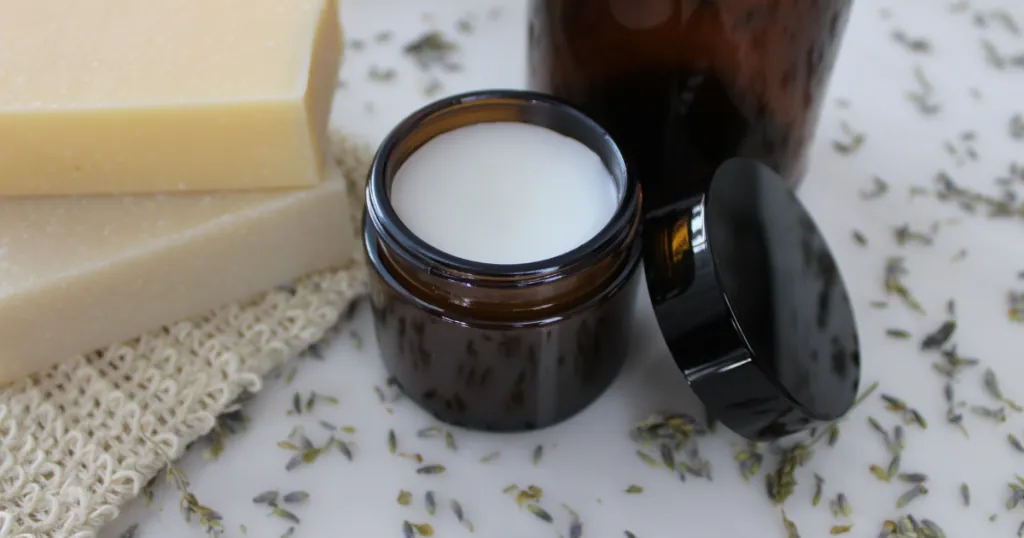
Beeswax-based leather balms are popular, and they have their place. Usually the wax is blended with oils: the oils do the conditioning, while the wax leaves a thin film on top that repels water, adds a soft sheen and can make fine surface scratches less visible. What beeswax does not do is penetrate deeply or clean. Applied over dirt, it simply seals the dirt in, so always clean first.
Pros
- Adds water resistance and a natural, low sheen
- Helps disguise light scuffs and fine scratches
- Well suited to pull-up, oiled and waxed leathers
- Lasts a long time; a thin coat once or twice a year is usually enough
Cons
- Can darken aniline and semi-aniline leather
- Builds up on protected leather as a cloudy or tacky film
- Ruins the texture of nubuck and suede
- Does not repair cracks or deep scratches
If you use a beeswax product, apply it very thinly, give it time to set as the label says, and buff off everything that has not absorbed. On protected leather, a water-based cream generally gives a cleaner result.
Oils and home remedies to skip
Avoid: olive, coconut and other cooking oils (they can oversaturate, darken unevenly, turn rancid and attract dirt); baby oil (it stays greasy on the surface); mink and neatsfoot oil (made for boots and saddles, too heavy for upholstery and likely to darken it); and vinegar (acidic, so it can dry and discolor leather). Baking soda is often suggested for odors, but it is mildly abrasive and can lodge in the grain; airing the room is the safer first step.
Kitchen oil can make dry leather look better for a few days, which is why the advice persists. Over months, the residue tends to cause more problems than it solves.
Reviving a dull, dry or faded leather sofa
Before you buy anything, work out what the problem actually is. Different problems need different fixes, and conditioner alone only solves one of them.
Dull or grimy
Usually built-up body oil, dust and old product. A thorough clean often restores the sheen by itself. Condition afterward only if it still feels dry.
Dry or stiff
The classic case for conditioning. It may take two light applications a few days apart. Avoid one heavy coat.
Faded or worn color
Sun fading and color worn off the arms will not come back with conditioner. This needs a tinted balm for light fading, or recoloring.
Cracked or scuffed
Fine cracks and scuffs need a flexible filler and color. Deep cracks and tears are repair work, covered in our leather sofa repair guide.
For a sofa that has been neglected for years, clean it thoroughly, condition it lightly, wait a few days, and then judge what is left. Many "worn-out" sofas look far better once the grime is gone.
How to recolor faded leather
Recoloring restores lost color with a leather colorant: a flexible, water-based pigment that bonds to the surface. It works best on protected (pigmented) leather. Aniline leather is colored with transparent dye, so covering it with pigment makes it look more uniform and less natural; faded aniline is often better handled by a professional who can re-dye it.
- Get an exact color match. Many suppliers match a sample cut from a hidden spot, such as under the deck or inside a zipper flap.
- Prepare the surface. Clean with a leather cleaner, then use the leather prep or degreaser from the kit to remove oils, silicones and old conditioner so the color can bond. These preparers are often alcohol-based, so test them first and use them only on protected leather unless the instructions say otherwise.
- Smooth rough areas. Lightly sand rough or peeling patches with very fine sandpaper (around 600-grit) and wipe off the dust. Fill fine cracks with a flexible leather filler.
- Test the color. Apply a dab to a hidden spot and let it dry fully, because colorant often dries slightly darker or lighter.
- Apply thin coats. Use a sponge to work the color in, including the creases. Let each coat dry before the next. Two to four thin coats look far better than one thick one.
- Seal. If the system includes a top coat, apply it in a sheen (matte, satin or gloss) that matches the rest of the sofa.
- Let it cure. Follow the product's curing time, often a day or more, before regular use. Then follow the aftercare instructions, usually a light protective cream.
Light fading on a protected sofa can sometimes be refreshed with a tinted conditioning balm, which is simpler but less durable than a full recolor. Pale and cream leathers show every mistake, so see our white leather sofa care guide before recoloring them.
Protecting the leather afterward
- Dust weekly with a dry microfiber cloth, and wipe spills straight away. For anything that leaves a mark, see our leather stain removal guide.
- Use a protector cream on protected and semi-aniline leather. It makes spills easier to wipe off and slows wear on the arms and seats.
- Limit sun. Direct sunlight fades and dries leather. Sheer curtains, blinds or UV-filtering window film help.
- Keep heat at a distance. Place the sofa at least 2 ft (60 cm) from radiators, fireplaces and heating vents.
- Watch the humidity. Leather typically does best at moderate indoor humidity, roughly 40 to 50%. Very dry winter air is a common cause of cracking.
- Rotate cushions so that wear and body oils are spread across the sofa.
When to call a professional
DIY conditioning suits almost every sofa, but some jobs are better left to a leather cleaning or restoration specialist:
- Aniline or nubuck sofas with heavy soiling, water marks or sun fading.
- Color loss across large areas, or a color you cannot match.
- Widespread cracking, or a valuable or antique piece.
- Leather that has been treated with oils or silicone and now feels sticky or will not take color.
A professional can deep clean, strip old residue, re-dye or refinish, and advise whether the leather is still worth restoring.
Frequently asked questions
How often should I condition my leather sofa?
Every 6 to 12 months for most sofas. Condition every 3 to 6 months if the sofa gets strong sun, sits near a heat source, is in a dry climate or is used heavily. Protected leather in a shaded room may need it only once a year.
Can I use olive oil or coconut oil on a leather sofa?
It is not recommended. Cooking oils can make leather look better for a few days, but they can oversaturate it, darken it unevenly, turn rancid and attract dirt. Use a conditioner made for furniture leather instead.
Is beeswax good for leather sofas?
On pull-up, oiled and waxed leathers, a beeswax balm can protect and add a soft sheen. It can darken aniline leather, build up on protected leather and spoil nubuck, so test it first and apply it very thinly.
Can conditioner fix cracked leather?
No. Conditioner can soften the area around fine cracks and make them a little less visible, but it cannot rejoin broken fibers. Cracks need a flexible filler and recoloring, or professional repair if they are deep.
Can I condition a leather sofa in direct sunlight?
It is better not to. Sun and heat make conditioner dry unevenly and can leave streaks. Work in a shaded room at normal temperature and let the sofa dry naturally.
Should I use leather conditioner on a faux leather sofa?
No. Faux leather is a plastic coating and cannot absorb conditioner, and some oils can soften it. Our faux leather sofa guide explains how to care for it.
A little conditioner at the right time does more for a leather sofa than any rescue product later. For the full routine, from weekly dusting to deep cleaning, browse our sofa care and cleaning guides or start at the leather sofa hub.
 How to Clean a Leather Sofa Without Damaging ItStep-by-step leather sofa cleaning: identify your leather, weekly care, deep cleaning, safe disinfecting, what never to use and how often to clean.
 Leather Sofa Stain Removal: Oil, Ink, Water, Gum, Odors and MoldHow to remove oil, ink, water marks, gum, blood and urine from a leather sofa, get rid of odors and mildew safely, and know when to call a pro.
 White Leather Sofa Care: Cleaning, Dye Transfer and YellowingWhite leather sofa care: weekly cleaning, removing dye transfer from jeans, preventing yellowing, treating stains and protecting the finish.
 Leather Sofa Repair: How to Fix Scratches, Tears, Peeling and SaggingHow to repair a leather sofa: scratches, tears and holes, peeling bonded leather, loose or puddling leather and flat cushions, and when to call a pro.