To choose a leather sofa that lasts, check three things before style or color: the type of leather, the construction under it, and how it feels after a proper test sit. A top-grain or full-grain leather sofa on a solid hardwood frame, with dense cushions and tight stitching, can serve you well for 15 years or more. A cheap sofa with a bonded leather surface may look similar in the showroom but often starts peeling within a few years.
This guide covers what to decide before you shop, how to judge quality in the store, what drives the price, where to buy, and whether leather is still worth the investment.
Key points
- Ask for the leather grade and finish: top-grain or full-grain is the long-term choice; avoid bonded leather if you want the sofa to last.
- Comfort comes mostly from the cushions and suspension, not the leather. Sit for at least 10 minutes in your usual position.
- Check the frame, stitching and the hidden sides: "leather match" sofas use cheaper material on the back and outer arms.
- Price depends on leather grade, origin, size, construction, brand and retailer, plus delivery and tax. Compare total cost, not sticker price.
- Get the warranty and return policy in writing before you pay.
In this guide
- Start with how you will use the sofa
- Choose the right leather for your life
- Soft or firm: choosing a comfortable leather sofa
- How to spot a quality leather sofa in the store
- What drives the price of a leather sofa
- Where to buy a leather sofa
- Is a leather sofa worth it?
- Is leather going out of style?
- Protecting your investment
- Frequently asked questions
Start with how you will use the sofa
Before you look at styles, be honest about daily life. A sofa for a family room with children and pets needs a different leather than a sofa in a quiet adult living room. Think about who sits on it, how often, whether it sits in direct sun, and whether you like to nap or lounge on it.
Set a budget early, including delivery, tax and any protection plan, so you can narrow the field quickly. Then measure the room and the route into it: doorways, hallways, stairs and elevators. Leather sofas are often heavy and less forgiving than fabric when squeezed around corners. Our guide on how to measure for a sofa shows exactly what to check.
Choose the right leather for your life
The leather itself is the biggest single factor in how the sofa ages. In short: full-grain is the strongest and develops the richest patina, top-grain is the best all-round value, and split and bonded leather cost less but wear out sooner. The finish matters just as much, because it decides how well the surface resists stains and fading. Our guide to leather sofa types explains every grade and finish in detail.
| Your situation | Good leather choice | Why |
|---|---|---|
| Kids, pets, heavy daily use | Pigmented (protected) top-grain | Wipes clean, hides light wear, resists stains |
| Sunny room | Pigmented or semi-aniline | Fades much less than aniline |
| Adult home, love of character | Full-grain aniline or semi-aniline | Softest feel, ages into a deep patina |
| Tight budget | Corrected-grain or leather match | Real leather where you sit at a lower price |
| Short-term or very low budget | Quality faux leather or fabric | Usually outlasts bonded leather at a similar price |
Soft or firm: choosing a comfortable leather sofa
Leather has a reputation for feeling either luxuriously soft or stiff and slippery. In reality, most of that feel comes from what is under the leather. The leather itself adds suppleness: aniline and semi-aniline leathers feel softer and warmer than heavily coated ones, and all good leather softens and relaxes with use.
What decides how soft a seat feels
- Cushion filling: high-resilience foam gives firm, even support and keeps its shape. Foam wrapped in fiber or a layer of down feels softer on top while staying supportive. Loose fiber or all-feather seats feel plush but flatten and need frequent plumping.
- Suspension: sinuous (zig-zag) springs are common and comfortable; eight-way hand-tied springs are a traditional premium option; webbing alone tends to sag sooner on budget models.
- Seat depth: 21–24 in (53–61 cm) suits most people for upright sitting. Deeper seats are great for lounging but can leave shorter people without back support.
- Seat height: 17–19 in (43–48 cm) is typical. Your feet should rest flat on the floor with your knees roughly level with your hips.
Leather also feels cool when you first sit down and warms to your body within minutes. In hot, humid weather, coated leather can feel sticky against bare skin, while natural finishes breathe better.
Tip: Expect leather seat cushions to show soft creases and a slightly relaxed look after a few months. That is normal, especially on natural finishes. Plumping and rotating cushions keeps the wear even.
How to spot a quality leather sofa in the store
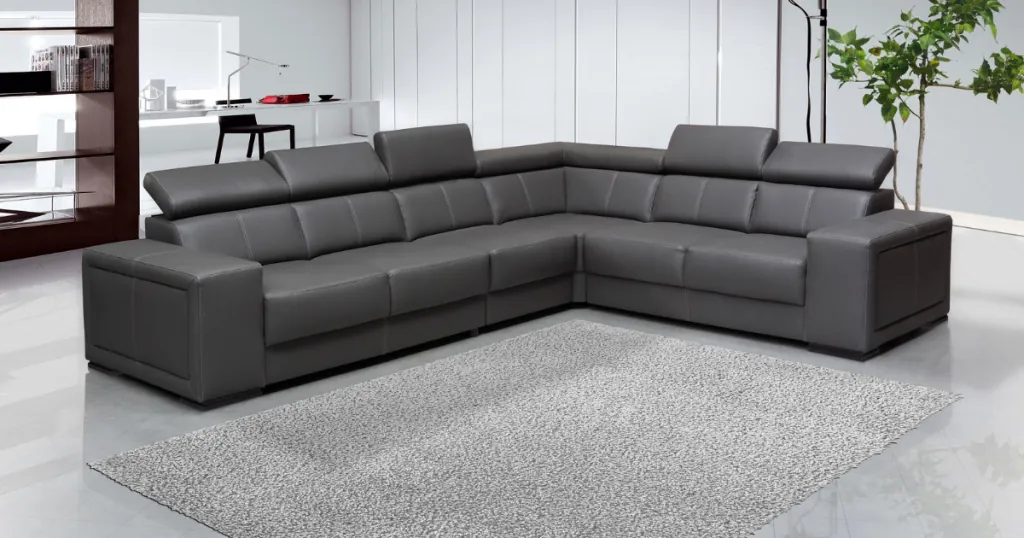
- Confirm the leather. Read the tag or ask for the specification sheet. Look for the grade and finish, and ask whether the outer back and sides are the same leather as the seats. Real grain leather shows natural variation in texture; a perfectly uniform, plastic-like surface suggests bonded or faux material.
- Inspect the surface. Look for an even color and grain across all panels, with no cracking, flaking or patchy finish. Natural marks are fine on full-grain leather; peeling or tearing is not.
- Check the stitching. Seams should be straight, tight and evenly spaced, with no loose or frayed threads. Look closely around the arms, the back and the cushion edges, where stress is highest.
- Test the frame. Ask whether it is kiln-dried hardwood (such as oak, maple, ash or beech) with joints that are glued and reinforced with dowels, screws or corner blocks. Lift one front corner a few inches: on a rigid frame the other front leg lifts too.
- Feel the cushions. Press down and let go. Good foam springs back quickly and evenly. Unzip a cushion if allowed and look for a dense foam core with a soft wrap.
- Sit like you will at home. Spend at least 10 minutes on it: sit upright, lean back, put your feet up and lie down if you nap on the sofa. Check that your back is supported and the arms are a comfortable height.
- Ask about warranty and returns. Find out what the warranty covers (frame, springs, cushions and leather often have different terms), and whether returns carry a restocking or pickup fee.
For a closer look at frames, springs and cushions, see our sofa construction guide.
What drives the price of a leather sofa
Two leather sofas that look similar online can differ widely in price. These are the main reasons:
| Factor | How it affects the price |
|---|---|
| Leather grade and finish | Full-grain and aniline leathers cost the most; top-grain sits in the middle; split and bonded leather are cheapest. Higher-quality hides with fewer flaws cost more. |
| Origin of the leather | Leather tanned in countries with a strong reputation, such as Italy, often costs more. Origin alone is not proof of quality. |
| Size and type of sofa | Sectionals, sleeper sofas and power recliners need more leather and more complex construction than a standard sofa or loveseat. |
| Construction | Hardwood frames, reinforced joints, quality springs and dense foam add cost but extend the sofa's life. |
| Details and design | Hand tufting, nailhead trim, contrast stitching and custom sizes take more labor. |
| Brand reputation | Established makers often charge more for design and service. Research reviews and warranty terms rather than paying for a name alone. |
| Retailer | Showroom rent and service levels are built into prices. Online and outlet stores can be cheaper but may offer less help. |
| Location, tax, delivery | Sales tax, delivery, in-home setup and old-sofa removal can add noticeably to the final bill. |
Avoid: Judging value on sticker price alone. A full-size "leather" sofa that costs about the same as a basic fabric sofa is almost always bonded or faux leather, and will likely need replacing much sooner.
Where to buy a leather sofa
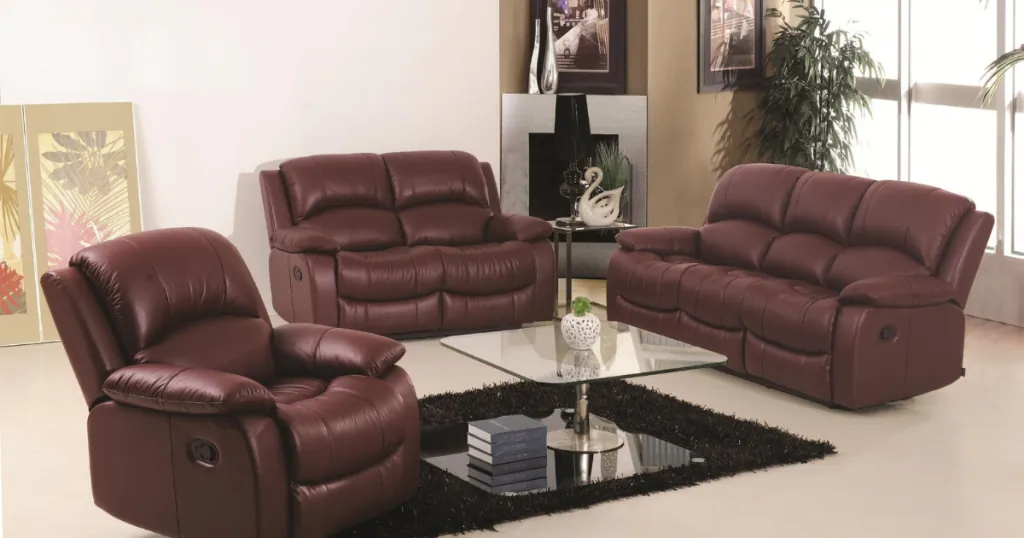
Furniture stores
You can sit on the sofa, feel the leather and inspect the construction before you buy. Staff can explain specifications and order samples. Prices are often higher, but sales and floor models can be good value.
Online retailers
The widest selection and easy price comparison. Read the full specifications, ask for a leather swatch, check reviews from verified buyers, and be cautious of prices that look too good to be true. Our guide to buying a sofa online covers returns and delivery.
Custom makers
You choose the size, shape, leather, cushions and details. Custom sofas usually cost more and often take several weeks or longer to make, but they can solve awkward rooms and specific comfort needs.
For more on comparing stores and online options, see our overview of where to buy a sofa.
Questions to ask before you buy
- What grade and finish is the leather, and is it used on all sides?
- Can I see or take home a sample of this exact leather and color?
- What is the frame made of, and how are the joints built?
- What does the warranty cover, and for how long?
- What is the return policy, and are there restocking or pickup fees?
- Can the size, cushions or leather be customized?
- What cleaning and conditioning products do you recommend for this leather?
Is a leather sofa worth it?
For many households, yes. A good leather sofa costs more up front than most fabric sofas, but it often outlasts them, so the cost per year of use can be lower. It also tends to look better with age, while many fabrics pill, fade or stain.
Pros
- Long-lasting when you buy top-grain or full-grain leather
- Develops character and patina, especially natural finishes
- Wipes clean easily and does not trap dust, pet hair or dander
- Works in classic and modern rooms alike
- Supple, body-warming comfort that improves with use
Cons
- Higher price for real, durable leather
- Fades and dries out in direct sun or near heaters
- Pet claws and sharp objects can scratch it
- Feels cool at first and can feel sticky in humid heat
- Fewer colors and patterns than fabric
If you are weighing up the two materials, our leather vs fabric sofa comparison goes through durability, comfort, pets and cost side by side.
Is leather going out of style?
Leather sofas have not disappeared, but buyers have more reasons to question them than before. Some prefer not to buy animal products, others are concerned about the environmental impact of tanning, which uses chemicals, energy and water. Interior trends have also moved toward lighter, slimmer silhouettes, and some people find bulky, overstuffed leather sofas visually heavy in a modern room.
Cost and upkeep play a role too. Leather needs regular dusting, conditioning and protection from sun, and some performance fabrics now offer good stain resistance at a lower price. None of this makes leather a bad choice, but it does change how to buy it:
- Choose a timeless shape. A clean-lined or classic design in a versatile color outlasts trends.
- Buy for the long term. One durable sofa that lasts many years is a more sustainable choice than several short-lived ones.
- Ask about sourcing. Some manufacturers can tell you where their leather is tanned and whether the tannery is independently audited.
- Consider alternatives. If animal welfare, budget or easy care matters most, look at quality faux leather or durable fabrics such as microfiber, wool blends or performance weaves. Check the material, comfort and construction just as carefully, because a higher price does not always mean better quality.
Protecting your investment
A leather sofa rewards a little routine care. Dust or vacuum it weekly with a soft brush, blot spills straight away, and clean it a few times a year with a cleaner made for your leather type. Condition natural and semi-aniline leather every 6–12 months, or more often in dry climates. Keep the sofa out of strong direct sun and at least 2 feet (60 cm) from radiators and fireplaces, and always test new products on a hidden spot first. Our guide on how to clean a leather sofa explains each step.
Frequently asked questions
How can I tell if a leather sofa is good quality?
Look for top-grain or full-grain leather on all sides, natural variation in the grain, tight and even stitching, a kiln-dried hardwood frame and cushions that spring back quickly. A detailed specification sheet and a solid warranty are also good signs.
Is a leather sofa good for families with kids and pets?
Often, yes. Protected (pigmented) top-grain leather wipes clean easily and does not trap pet hair or dust. Claws can still scratch it, so keep pets' nails trimmed. Aniline leather is less suited to busy homes because it absorbs spills.
Why are leather sofas so expensive?
Quality hides, tanning and finishing are costly, and a sofa uses a large amount of leather. Good leather sofas also tend to have stronger frames and better cushions. Brand, retailer, size, delivery and tax add to the final price.
Do leather sofas get softer over time?
Yes. Good leather relaxes and softens with use, and natural finishes become noticeably more supple. Seat cushions also break in over the first months. Regular conditioning helps keep the leather flexible.
Should I buy a leather sofa online without sitting on it?
It can work if you know your preferred seat height and depth, check the full specifications, order a leather swatch, and buy from a retailer with a clear return policy. If possible, sit on the same model or a similar one in a store first.
How long should a good leather sofa last?
A well-made top-grain or full-grain leather sofa often lasts 15 years or more with regular care. Bonded leather sofas usually have a much shorter life, because the surface coating breaks down.
Once your new sofa is home, our leather sofa decorating ideas show how to style it, and the leather sofa hub brings together all our leather buying and care guides.
 Leather vs Fabric Sofa: Which Should You Choose?Leather or fabric? Compare durability, comfort, cleaning, pets, allergies and cost, plus the leather grades and fabric types to look for on the label.
 Faux Leather Sofa Guide: PU vs Vinyl vs Bonded, Care and RepairFaux leather sofas explained: PU vs vinyl vs bonded leather, why some peel, how long they last, how to clean them, fix small tears, and when to buy one.
 Types of Leather for Sofas: Grades, Finishes and Italian Leather ExplainedFull-grain, top-grain, split and bonded leather, aniline and pigmented finishes, and Italian leather: how each sofa leather looks, wears and ages.
 Leather Sofa Decorating Ideas: Colors, Rugs, Pillows and Accent ChairsDecorate around a black, brown, cognac, burgundy or white leather sofa: wall and accent colors, rugs, pillows and throws, accent chairs and lighting.