Fungus-Free Leather Sofa: How to Keep Your Furniture Looking Like New

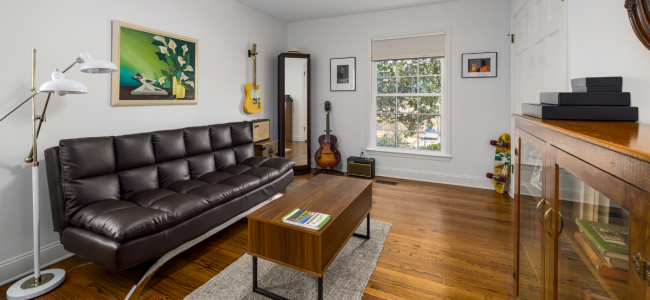
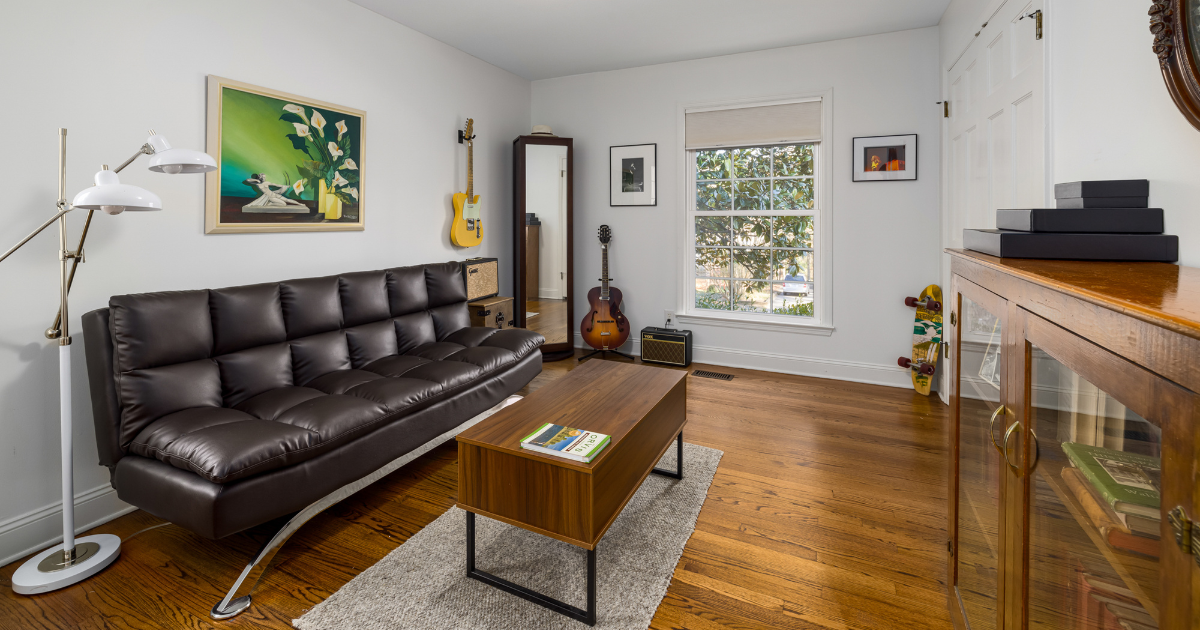
A Leather sofa in the living room

Leather furniture is a luxurious addition to any home and it adds a touch of sophistication to the interior decor. However, leather sofa and chairs are prone to mold and mildew, which can cause them to deteriorate quickly if not treated properly. In this article, we will discuss the best ways to keep your leather furniture fungus-free and looking like new.

Why is Fungus Dangerous for Leather Furniture?

Fungus and mildew thrive in warm and moist environments. Leather furniture, which is often located near windows and air conditioning units, provides an ideal habitat for these destructive organisms. The fungus can cause discoloration, fading, and cracks in leather furniture, making it look old and worn out. Additionally, the fungus can release a musty odor, making the furniture unsanitary and unpleasant to sit on.

How to Prevent Fungus from Growing on Your Leather Sofa

There are several steps you can take to prevent mold and mildew from growing on your leather sofa. These include:

Keep Your Leather Sofa Dry

Leather furniture should always be kept dry. This means that you should avoid placing it near windows or air conditioning units where it may be exposed to moisture. If you do need to place your sofa near a window, consider using a dehumidifier to control the humidity in the room.

Use Leather Protectant

Using a leather protectant is a great way to protect your furniture from moisture and fungus. These products are designed to create a barrier between the leather and the environment, preventing moisture from penetrating the material.

Clean Regularly

Cleaning your leather sofa regularly is important for maintaining its appearance and preventing the growth of fungus. Use a damp cloth to wipe down the surface of the sofa, removing any dirt or grime. Avoid using harsh chemicals or soaps, as these can damage the leather.

Avoid Direct Sunlight

Exposure to direct sunlight can cause leather furniture to fade and become brittle. To prevent this, keep your sofa out of direct sunlight, or consider using window coverings to filter the light.

Store Leather Furniture Properly

If you need to store your leather sofa for an extended period, make sure to cover it with a protective cover. This will prevent dust and moisture from collecting on the surface, helping to keep your furniture looking like new.

How to Remove Fungus from Your Leather Sofa

If your leather sofa has already been affected by mold or mildew, it is important to remove it as soon as possible. The following steps will help you get rid of fungus and keep your furniture looking like new:

Clean the Surface

Start by wiping down the surface of the sofa with a damp cloth. This will help to remove any dirt or grime that may be contributing to the growth of fungus.

Use a Leather Cleaner

Next, use a leather cleaner specifically designed to remove fungus and mildew. Follow the instructions on the bottle carefully, making sure to apply the cleaner evenly to the surface of the sofa.

Rinse the Sofa

After using the leather cleaner, rinse the sofa with clean water to remove any residue. Use a damp cloth to remove any excess water, making sure to avoid over-wetting the leather.

Let the Sofa Air Dry

Once you have cleaned and rinsed the sofa, let it air dry completely. Avoid using a hair dryer or any other direct heat source, as it may cause the leather to crack and become brittle. Instead, let the sofa air dry naturally, away from direct sunlight and heat sources. This will allow the leather to retain its natural moisture and prevent it from becoming dry and brittle.

It is important to remember that leather should never be saturated with water. Excessive water exposure can cause the leather to warp and discolor, which can be difficult or impossible to repair. To avoid this, clean the leather sofa in small sections, rinsing and drying each section before moving on to the next.

Use Leather Conditioner to Keep Your Sofa Soft and Supple

Leather conditioners are essential to maintaining the softness and suppleness of your sofa. Leather can become dry and brittle over time, especially if it is exposed to sunlight and heat. A quality leather conditioner will help to replace the natural oils that are lost from the leather, helping to keep it soft and supple.

There are many different types of leather conditioners available, so it is important to choose one that is specifically formulated for use on leather furniture. Simply apply a small amount of the leather conditioner to a clean cloth, and gently rub it into the leather in a circular motion. Let the conditioner absorb into the leather for a few minutes, then wipe away any excess. Repeat this process regularly to help keep your sofa looking like new.

Conclusion

A fungus-free leather sofa is a beautiful and comfortable addition to any home. However, it is important to properly care for and maintain your leather sofa to keep it looking like new. By following these tips, you can help to prevent the growth of fungus and other harmful substances, while also keeping your sofa soft and supple. Whether you are a new or experienced leather sofa owner, these tips will help you to keep your sofa looking great for years to come.

FAQs

How often should I clean my leather sofa? 

It is recommended to clean your leather sofa every 6 to 12 months, or as needed, to maintain its appearance and prevent the growth of harmful substances.

Can I use soap and water to clean my leather sofa? 

Yes, you can use a mild soap and water solution to clean your leather sofa. However, it is important to rinse the sofa thoroughly to remove all soap residue, as this can cause the leather to become dry and brittle.

Can I use vinegar to clean my leather sofa? 

Yes, vinegar can be used to clean your leather sofa. Simply mix equal parts water and vinegar, and use a clean cloth to wipe down the sofa. Rinse the sofa thoroughly with water to remove any vinegar residue.

How do I remove stains from my leather sofa? 

Stains on a leather sofa can be removed by using a leather cleaner specifically formulated for removing stains. Simply apply a small amount of the cleaner to a clean cloth, and gently rub it into the stain. Wipe away any excess cleaner, and repeat the process until the stain has been removed.

How can I prevent the growth of fungus on my leather sofa? 

To prevent the growth of fungus on your leather sofa, it is important to keep the sofa clean and free from moisture. Avoid exposing the sofa to direct sunlight and heat, and use a leather conditioner regularly to help keep the leather soft and supple.

Is Italian Leather the Best Choice for Your Sofa? Here’s What You Need to Know

Man using Italian Leather

Italian leather is widely considered one of the finest materials in the furniture industry. Not only is it soft and luxurious to the touch, but it is also known for its durability and longevity. When it comes to choosing a leather sofa, Italian leather is often seen as a top choice for many homeowners. But what makes it so special, and is it the best choice for your home? In this article, we’ll explore the qualities and benefits of Italian leather, and help you make an informed decision about whether it’s the right choice for your needs.

What is Italian Leather?

Italian leather is a type of leather that is produced in Italy. It is made from high-quality, full-grain hides that are carefully selected for their texture and durability. Unlike other types of leather, Italian leather is not treated with any harsh chemicals or synthetic materials, which means it is more natural and environmentally friendly. This type of leather is also known for its exceptional quality, and it is often used in the production of high-end furniture, such as sofas, chairs, and ottomans.

The Advantages of Italian Leather

When it comes to choosing a leather sofa, the Italian leather has several advantages that make it an attractive option. Here are just a few of the benefits you can expect:

Durability

Italian leather is incredibly durable and long-lasting, making it a smart investment for your home. The full-grain hides used in Italian leather are the strongest and most resistant part of the animal’s hide, which means they are less likely to wear and tear over time. A well-maintained Italian leather sofa can last for many years, giving you a comfortable and stylish piece of furniture for your home.

Comfort

Another advantage of Italian leather is its softness and comfort. The natural oils in Italian leather make it a luxurious material to sit on, which makes it a popular choice for homeowners who want a comfortable and stylish sofa. In addition, Italian leather is also known for its breathability, which means it can help regulate your body temperature and keep you comfortable even on hot days.

Style

Italian leather is also known for its timeless style. Whether you prefer a classic or contemporary look, Italian leather can be designed to match any décor. This makes it a versatile material that can be used in a wide range of settings, from traditional living rooms to modern apartments.

Easy to Clean and Maintain

Finally, Italian leather is also very easy to clean and maintain. Unlike other materials, such as suede or velvet, it is resistant to spills and stains, which makes it a practical choice for families with children or pets. In addition, it is also simple to clean and keep in good condition, which means you can enjoy your Italian leather sofa for many years to come.

The Disadvantages of Italian Leather

Of course, Italian leather is not without its disadvantages. Here are a few of the drawbacks you should consider before making a purchase:

Cost

One of the main disadvantages of Italian leather is its cost. Because it is made from high-quality materials and is carefully crafted, it is more expensive than other types of leather. However, many homeowners believe that the investment is worth it because of the long-lasting durability and comfort of Italian leather.

Maintenance

Another disadvantage of Italian leather is that it requires regular maintenance. Unlike synthetic leather, which is low maintenance and easy to clean, Italian leather must be regularly treated with a leather conditioner to keep it soft and supple. This can be time-consuming and can add additional costs to the overall cost of the sofa. It is important to follow the manufacturer’s guidelines for cleaning and conditioning, as using the wrong products can damage the leather and make it more susceptible to cracking and fading over time.

Regular cleaning is also necessary to keep Italian leather looking its best. Dust and dirt can accumulate on the surface, causing it to look dull and lifeless. Cleaning should be done with a soft cloth and a mild soap solution, as harsh chemicals can damage the leather.

Environmental Impact

It is important to consider the environmental impact of any product we purchase, and Italian leather is no exception. The production of leather involves several processes, including tanning and finishing, that can have a significant impact on the environment.

In Italy, strict regulations are in place to minimize the environmental impact of leather production. This includes the use of environmentally friendly processes and the recycling of waste products. However, it is important to note that the production of Italian leather, regardless of the country of origin, will always have some impact on the environment.

Ethical Concerns

Another important factor to consider when purchasing Italian leather is the ethical concerns associated with the leather industry. Leather is a natural product that is made from the skin of animals, and the treatment of these animals can be a source of concern for many people.

In Italy, the leather industry is regulated by strict laws that ensure the humane treatment of animals. This includes regulations surrounding the care and treatment of animals during the tanning process, as well as the use of environmentally friendly methods.

It is important to research the brand and the specific leather product you are interested in to ensure that they meet your ethical standards.

Conclusion

In conclusion, Italian leather is known for its high quality and luxurious look and feel. It is a durable material that can last for many years, even with regular use. However, it is important to consider the costs and environmental impact associated with the production of leather, as well as any ethical concerns.

With careful consideration, Italian leather can be a great choice for a sofa, offering a luxurious and long-lasting addition to any home.

FAQs

What is Italian leather? 

Italian leather is a type of high-quality leather made from the hides of cattle that are raised in Italy. This leather is known for its softness, durability, and luxurious appearance.

Is Italian leather more expensive than other types of leather? 

Yes, Italian leather is typically more expensive than other types of leather because of its premium quality and luxurious appearance.

Does Italian leather require special maintenance? 

Yes, Italian leather requires regular maintenance to keep it soft and supple. This includes regularly treating the leather with a leather conditioner.

Is Italian leather more durable than other types of leather? 

Italian leather is known for its durability and longevity, but its lifespan depends on the quality of the leather and the way it is treated and maintained.

Can Italian leather be cleaned easily? 

Cleaning Italian leather can be a bit more challenging than cleaning synthetic leather, as harsh chemicals and cleaning products can damage the leather. It is recommended to use a soft, damp cloth and a gentle leather cleaner specifically designed for Italian leather.

Leather Sofa Peeling? Here’s How to Repair It and Keep It Looking New

A leather sofa in the living room
A leather sofas in the living room

Leather sofas can add a touch of luxury and elegance to any home. They are also comfortable, durable, and low maintenance. However, over time, leather sofas can start to peel, crack, or fade. This can be due to a variety of factors such as exposure to sunlight, heat, moisture, or wear and tear. 

If your leather sofa is peeling, don’t worry. With the right tools and techniques, you can repair it and keep it looking like new.

In this article, we will cover everything you need to know about repairing peeling leather sofas, including the tools and materials you will need, the steps involved in the repair process, and tips for maintaining your sofa to prevent future peeling.

What Causes Leather Sofa Peeling

Leather is a luxurious and durable material that is commonly used to make furniture, including sofas. Despite its durability, however, leather can suffer from a range of problems, including peeling. Several factors can contribute to leather sofa peeling, including:

  1. Exposure to Sunlight Excessive exposure to sunlight can cause the leather to dry out, become brittle, and eventually peel. This is because the UV rays from the sun can break down the leather fibers and cause them to become weaker over time. To prevent this from happening, it is important to keep your leather sofa away from direct sunlight and use blinds or curtains to filter the light.
  2. Heat Leather can also be damaged by exposure to heat, which can cause it to dry out, become brittle, and eventually peel. This is why it is important to keep your leather sofa away from heat sources, such as radiators and fireplaces, and to avoid placing it near windows where it may be exposed to direct sunlight.
  3. Humidity can also harm leather, causing it to become damp and eventually peel. This is why it is important to keep the air in your home as dry as possible, especially during the winter months when humidity levels tend to be higher.
  4. Chemicals, such as cleaning agents and solvents, can also cause the leather to peel. This is why it is important to always use a leather cleaner that is specifically designed for use on leather sofas and to avoid using harsh chemicals that can damage the leather.
  5. Regular Wear and Tear Finally, regular wear and tear can also cause the leather to peel over time. This is why it is important to take care of your leather sofa by cleaning and conditioning it regularly and avoiding exposing it to harsh conditions that can cause it to become damaged.

To prevent leather sofa peeling, it is important to take the necessary steps to protect your leather sofa from the various factors that can contribute to this problem. By taking care of your leather sofa, you can help to ensure that it remains a beautiful and functional piece of furniture for many years to come.

Tools and Materials You Will Need

To repair a peeling leather sofa, you will need the following tools and materials:

  • Leather repair kit
  • Leather conditioner
  • Clean cloths
  • Water
  • Spoon or spatula
  • Paintbrush (optional)

Steps to Repair Peeling Leather Sofa

Here are the steps you need to follow to repair a peeling leather sofa:

  1. Clean the leather: Use a clean cloth to wipe down the leather, removing any dirt or dust.
  2. Prepare the repair kit: Follow the instructions on the leather repair kit to mix the repair compound.
  3. Apply the repair compound: Use a spoon or spatula to apply the repair compound to the peeling area. Smooth out the compound, making sure it is even and covers the entire area.
  4. Let the compound dry: Allow the repair compound to dry completely, following the instructions on the kit. This could take anywhere from a few hours to a day, depending on the product you use.
  5. Sand the area: Use fine-grit sandpaper to gently sand the repair area, removing any excess compound and creating a smooth surface.
  6. Apply leather conditioner: Use a clean cloth to apply the leather conditioner to the repaired area. This will help restore the leather’s natural oils and prevent further damage.
  7. Clean the leather: Use a clean cloth to wipe down the leather one last time, removing any excess conditioner.

Tips for Maintaining Your Leather Sofa

To keep your leather sofa looking like new, follow these tips:

  • Avoid exposing the sofa to direct sunlight or heat
  • Keep the sofa away from sources of moisture, such as windows or vents
  • Use a leather protectant to help repel dirt and moisture
  • Clean the sofa regularly with mild soap and water
  • Avoid using harsh chemicals or cleaners on the leather
  • Rotate and flip the cushions regularly to distribute wear and tear evenly

Conclusion

In conclusion, repairing a peeling leather sofa can be a daunting task, but with the right tools and techniques, it can be done effectively and efficiently. Whether you choose to tackle the problem yourself or hire a professional, the important thing is to act quickly to prevent further damage and keep your leather sofa looking new for years to come. By following the steps outlined in this article, you will be well on your way to repairing and maintaining your leather sofa, ensuring that it remains a beautiful and functional piece of furniture for many years to come.

FAQs

What causes leather sofas to peel? 

Leather sofas can peel due to exposure to sunlight, heat, humidity, and chemicals, as well as regular wear and tear.

Is it possible to repair peeling leather sofas? 

Yes, it is possible to repair peeling leather sofas with the right tools and techniques.

Can I fix a peeling leather sofa myself? 

Yes, you can fix a peeling leather sofa yourself with the right tools and techniques, or you can hire a professional to do the job for you.

What tools do I need to repair a peeling leather sofa? 

You will need a leather repair kit, a leather cleaner and conditioner, and a leather filler.

How often should I clean and condition my leather sofa to prevent peeling? 

It is recommended to clean and condition your leather sofa every 6 to 12 months to prevent peeling and keep it looking new.