Sofa Shopping Secrets: Which Leather is Worth the Investment?

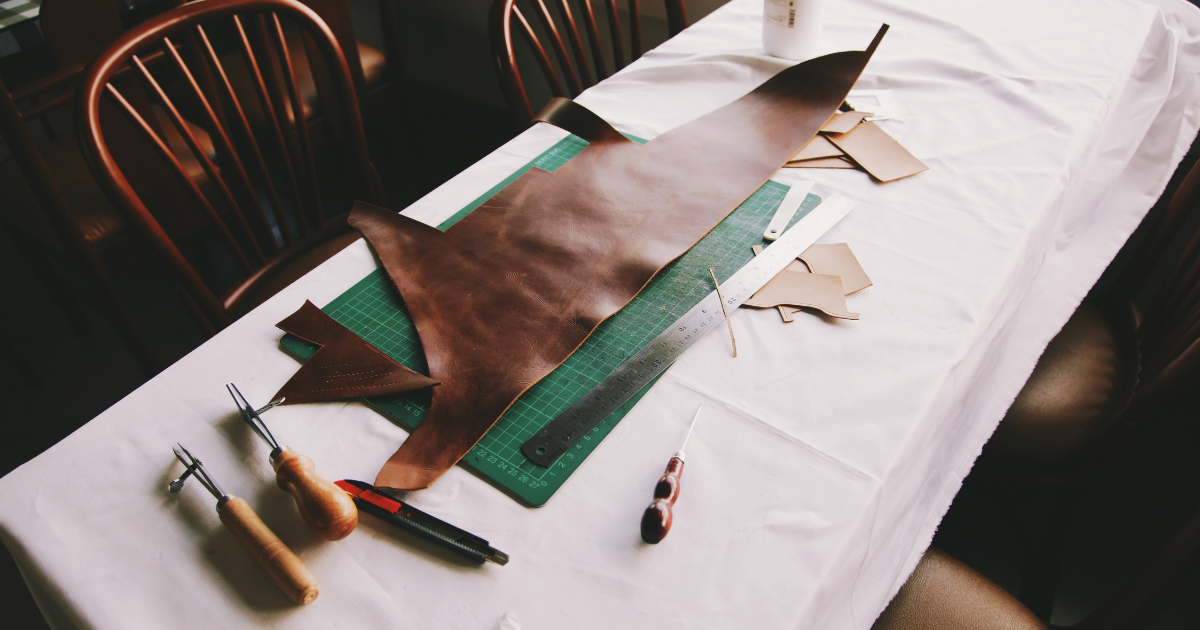
Brown leather for sofa

You will almost certainly be in the market for a new sofa at some time in your life. You may have recently moved into a new house, or you may be wanting to replace an old, worn-out piece of furniture. Whatever the reason, purchasing a couch can be a significant investment, and it is critical to select one that will endure for many years. One of the most important selections to make when purchasing a couch is the type of leather to choose.

In this article, we will discuss the different types of leather available and help you determine which is worth the investment.

Full-Grain Leather

Full-grain leather is the most expensive leather available. It is created from the top layer of the hide, which has the most natural grain and is the most durable. This leather is used in high-end furniture because of its strength, durability, and natural beauty. With time, full-grain leather will acquire a patina, which adds character and depth to the leather. It is, nevertheless, the most costly form of leather and requires more upkeep than other varieties of leather.

Top-Grain Leather

The second-best grade leather available is top-grain leather. It is formed from the hide’s top layer, but it has been sanded and polished to erase any irregularities in the grain. This sort of leather has a more uniform appearance than full-grain leather, but it is less durable and looks less natural. Top-grain leather is frequently used in mid-range furniture and is an excellent value.

Split Leather

Split leather is created from the hide’s bottom layer. It is neither as strong nor as natural-looking as full-grain or top-grain leather, but it is significantly less costly. Split leather is frequently used as a backing for other types of leather or in low-end furniture.

Bonded Leather

Bonded leather is created from shredded leather fragments that have been glued together with polyurethane or latex. It is the most affordable sort of leather and is commonly used in low-end furniture. Bonded leather is not as long-lasting or as natural-looking as other forms of leather, and it is not a smart long-term investment.

Which Leather is Worth the Investment?

When it comes to selecting a leather couch that is worth the cost, full-grain leather is the ideal option. While it is more costly than other varieties of leather, it is also the most durable and looks the most natural. Full-grain leather will patina with time, adding character and depth to the leather and making it a one-of-a-kind piece of furniture that will last for years.

If you’re on a limited budget, top-grain leather is a fantastic balance of quality and affordability. While not as strong or as natural-looking as full-grain leather, it is still a high-quality alternative that will endure for many years.

Split leather and bonded leather are both less expensive than full-grain and top-grain leather if you’re on a tight budget. They are, however, less durable and appear less natural. While they may be an excellent short-term solution, they are not a suitable long-term investment.

Conclusion

Full-grain leather is the greatest option for buying a leather sofa that is worth the cost. While it is more costly than other varieties of leather, it is also the most durable and looks the most natural. Top-grain leather, on the other hand, is a decent balance between quality and affordability if you are on a limited budget. Whichever sort of leather you pick, it is essential to maintain your couch to ensure that it lasts for many years.

FAQs

Leather furniture is an investment that can last for many years. However, with so many different types of leather available, it can be challenging to determine which type of leather is the best investment for your sofa. Here are some frequently asked questions to help you choose the right type of leather for your furniture:

What is full-grain leather?

Full-grain leather is the finest quality leather available. It is made from the top layer of the hide, which is the most durable and has the most natural grain. Full-grain leather is known for its strength, durability, and natural beauty, making it a popular choice for high-end furniture.

What is top-grain leather?

Top-grain leather is the second-highest quality leather available. It is made from the top layer of the hide, but the grain is sanded and buffed to remove any imperfections. This results in a more uniform appearance compared to full-grain leather, but it is also less durable and natural-looking.

What is split leather?

Split leather is made from the bottom layer of the hide. It is not as durable or natural-looking as full-grain or top-grain leather, but it is more affordable. Split leather is often used in low-end furniture or as a backing for other types of leather.

What is bonded leather?

Bonded leather is the least expensive type of leather, made from scraps of leather that are shredded and bonded together with polyurethane or latex. Bonded leather is not as durable or natural-looking as other types of leather, and it is not a good investment in the long term. It is often used in low-end furniture.

What type of leather is the best investment for a sofa?

Full-grain leather is the best investment for a sofa if you want durability and natural beauty. Although it is more expensive than other types of leather, full-grain leather will develop a unique patina over time, making it a unique piece of furniture that will last for many years.

Is top-grain leather a good compromise between quality and price?

Yes, top-grain leather is a good compromise between quality and price if you are on a tighter budget. Although it is not as durable or natural-looking as full-grain leather, it is still a high-quality option that can last for many years.

Are split leather and bonded leather good investments for a sofa?

No, split leather and bonded leather are not good investments for a sofa if you are looking for durability and natural beauty. Although they may be less expensive than full-grain and top-grain leather, they are also less durable and less natural-looking, making them a poor investment in the long term.

How can I ensure that my leather sofa lasts for many years?

No matter which type of leather you choose, it is important to take good care of your sofa to ensure that it lasts for many years. This includes keeping it out of direct sunlight, cleaning it regularly, and using a leather conditioner to keep it moisturized and prevent cracking.

The Ultimate Guide to Putting a Slipcover on Your Sectional Sofa

Slipcover on sectional sofa

At some point in your life, you may have invested in a sectional sofa to provide ample seating space for your family and guests. But as time goes by, the sofa may have started to look worn out or faded, or you may have grown tired of its appearance. One easy and cost-effective way to breathe new life into your sectional sofa is by adding a slipcover. 

In this ultimate guide, we will take you through the process of choosing and putting a slipcover on your sectional sofa, step-by-step.

Why Choose a Slipcover for Your Sectional Sofa?

A slipcover is a versatile and affordable solution that can help protect your sectional sofa from wear and tear, spills, and stains. Here are a few more reasons why you should consider using a slipcover for your sectional sofa:

  1. Easy to Clean: Slipcovers are designed to be easy to clean and maintain. You can remove them from your sectional sofa and toss them in the washing machine for easy cleaning. This is especially useful if you have children or pets who are prone to spills and accidents.
  2. Versatile: Slipcovers come in a wide range of colors, patterns, and fabrics, which makes them a versatile design element for your sectional sofa. You can change the look of your sofa to match the seasons or a new interior design scheme without having to invest in a new piece of furniture.
  3. Affordable: Slipcovers are a cost-effective solution that can help protect your sectional sofa from wear and tear. They are often much more affordable than investing in a new piece of furniture or reupholstering your existing sofa.
  4. Protects Your Investment: Sectional sofas can be a significant investment, and a slipcover can help protect your investment by keeping your sofa looking clean and fresh for years to come. Slipcovers can also help extend the life of your sectional sofa, which can save you money in the long run.

Overall, using a slipcover for your sectional sofa is a smart choice that can help protect your investment, keep your sofa looking great, and add a versatile design element to your home decor.

Measure Your Sectional Sofa

Before purchasing a slipcover, you need to measure your sectional sofa to ensure you get the right size. Use a measuring tape to measure the length, width, and height of your sofa, including the arms and cushions. This will give you an accurate measurement that you can compare to the slipcover’s dimensions to find the right fit.

Choose the Right Slipcover Material

Slipcovers are available in a wide range of materials, including cotton, polyester, and microfiber. When choosing the right slipcover material for your sectional sofa, consider factors such as durability, ease of cleaning, and comfort. For instance, if you have pets or young children, you may want to choose a slipcover made from a durable and easy-to-clean material.

Select the Slipcover Color and Pattern

Slipcovers come in a variety of colors and patterns, so it’s essential to choose one that complements your decor and style. Solid-colored slipcovers are a popular choice, but if you want to add some flair to your sofa, you can choose a patterned slipcover. Keep in mind that bold patterns may make your sofa look smaller, so choose a pattern that doesn’t overpower the room.

How to Put on the Slipcover

Once you have purchased the right slipcover for your sectional sofa, it’s time to put it on. Follow these simple steps:

Step 1: Begin by placing the slipcover over the back of the sofa, making sure it’s centered.

Step 2: Gently pull the slipcover over one of the sofa arms, ensuring it’s snugly fitted.

Step 3: Repeat step 2 on the other arm of the sofa.

Step 4: Smooth out the slipcover over the sofa cushions, tucking any excess fabric into the creases.

Step 5: Ensure that the slipcover is secured in place by using the included ties or clips.

Tips for Maintaining Your Slipcover

To keep your slipcover looking great for longer, follow these maintenance tips:

  • Wash the slipcover according to the manufacturer’s instructions.
  • Vacuum the slipcover regularly to remove any dust or debris.
  • If the slipcover is stained, spot-clean it with a mild detergent or stain remover.
  • Avoid placing sharp or heavy objects on the slipcover, as this may damage the fabric.

FAQs

Will a slipcover fit tightly on my sectional sofa, or will it be loose and bulky?

Slipcovers are designed to fit snugly on your sofa, so they won’t be too loose or bulky. However, it’s essential to choose the right slipcover size and material to ensure a perfect fit.

How often should I wash my slipcover?

The frequency of washing your slipcover depends on how often it’s used and how dirty it gets. If you have pets or young children, you may need to wash the slipcover more frequently than if you don’t. Refer to the manufacturer’s instructions for specific cleaning and care tips.

Are slipcovers easy to put on and take off?

Yes, slipcovers are easy to put on and take off. They usually come with ties or clips that hold them in place, so they won’t slide off your sofa.

Can I use a slipcover on a leather sectional sofa?

Yes, slipcovers can be used on leather sectional sofas. However, make sure to choose a slipcover made from a material that won’t damage the leather or cause it to discolor.

Will a slipcover protect my sectional sofa from pet hair and scratches?

Yes, slipcovers are an excellent way to protect your sectional sofa from pet hair, scratches, and other types of wear and tear. However, make sure to choose a durable slipcover material that can withstand the wear and tear of pets and children.

Revive Your Leather Sofa: Easy Tips to Make it Shine Again

A Leather sofa among other furniture

Homeowners, in their quest for opulence and refinement, often turn to the luxurious appeal of a leather sofa. These ornate pieces of furniture possess an enduring quality that can be passed down through generations, and yet, as time passes, the leather’s luster and allure can wane, especially when neglected. Despair not, for with a touch of diligence and the right techniques, it’s possible to revitalize a lackluster leather sofa and restore it to its former grandeur.

Within the pages of this article, we’ll provide you with a plethora of easy-to-follow tips that will guide you through the process of reviving your leather sofa’s magnificence. From the regularity of cleaning to the judiciousness of conditioning and protection, we’ll cover everything you need to know to ensure that your leather sofa remains a stunning piece of furniture for many years to come. If you’re eager to learn the secrets of reviving your leather sofa and returning it to its pristine condition, then read on.

Clean It Regularly

The first and most important tip to revive your leather sofa is to clean it regularly. Regular cleaning can help remove dirt, dust, and other particles that can accumulate on the surface of your leather sofa and make it look dull and lifeless. To clean your leather sofa, you’ll need a soft-bristled brush, a microfiber cloth, and a leather cleaner.

Start by using the soft-bristled brush to gently remove any loose dirt or dust from the surface of your sofa. Be gentle and use light strokes to avoid scratching the leather. Once you’ve removed the loose dirt, use a microfiber cloth to wipe the surface of your sofa. Make sure to use a clean cloth and not a damp one, as excess moisture can damage the leather.

Next, apply the leather cleaner to a clean microfiber cloth and gently rub it onto the surface of your sofa. Be sure to follow the manufacturer’s instructions for the cleaner and test it on an inconspicuous area first to ensure that it won’t damage the leather. After applying the cleaner, use a clean, dry cloth to wipe away any excess product.

Cleaning your leather sofa regularly can help prevent the buildup of dirt and grime, keeping it looking shiny and new. Aim to clean your leather sofa at least once every three months, or more often if it’s exposed to heavy use or soiling.

Condition It

Leather can dry out and lose its shine over time, which is why conditioning your leather sofa is an essential part of reviving it. Conditioning helps to restore the natural oils of the leather, keeping it soft, supple, and shiny.

To condition your leather sofa, you’ll need a leather conditioner and a microfiber cloth. Apply a small amount of conditioner to the cloth and rub it gently onto the surface of the leather, working it in with circular motions. Be sure to follow the manufacturer’s instructions for the conditioner and test it on an inconspicuous area first to ensure that it won’t damage the leather.

After the application of the conditioner, it is imperative to let it seep in for no less than 30 minutes, or as stipulated by the manufacturer’s instructions. Following the saturation, utilize a clean, parched cloth to erase any remnants of the product.

Conditioning your leather sofa biannually is highly recommended to preserve its glossy and fresh appearance, thus prohibiting it from becoming dehydrated and fragile. However, if you inhabit an arid climate or if your leather sofa is in direct contact with sunlight, you may have to condition it more frequently to prevent it from parching out.

Protect It

Leather is prone to damage from spills, scratches, and other types of accidents. To protect your leather sofa from such incidents, use a leather protector. This will create a barrier between the leather and any potential damage. Always follow the manufacturer’s instructions when using a leather protector.

Remove Stains

Stains can ruin the look of your leather sofa. If you spill something on it, act fast to remove the stain. Use a clean, dry cloth to blot up as much of the spill as possible. Then, use a mild soap and water solution to clean the stain. Rinse the area with a damp cloth and dry it with a clean, dry cloth.

Repair It

If your leather sofa has scratches, cuts, or other damage, it’s important to repair it as soon as possible. Small scratches and cuts can be fixed with a leather repair kit. For larger damage, you may need to call in a professional. Always consult the manufacturer’s instructions or a professional before attempting any repairs.

Conclusion

By following these simple tips, you can revive your leather sofa and make it shine again. Remember to clean it regularly, condition it, protect it, remove stains, and repair it as needed. With a little effort, you can keep your leather sofa looking beautiful for years to come.

FAQs

How often should I clean my leather sofa?

You should clean your leather sofa every few days to prevent dust and dirt from accumulating on the surface.

Can I use regular soap to clean my leather sofa?

No, you should use a mild soap and water solution specifically designed for leather. Regular soap can damage the leather.

Can I use a hairdryer to dry my leather sofa?

No, you should never use a hairdryer or any other heat source to dry your leather sofa. It can damage the leather and cause it to crack.

Can I use vinegar to clean my leather sofa?

No, vinegar can damage the leather. Use a mild soap and water solution or a cleaner specifically designed for leather.

Can I use a leather conditioner on a faux leather sofa?

No, leather conditioners are specifically designed for genuine leather. Using them on faux leather can cause it to peel or crack.