The Ultimate Guide: How to Wash Sofa Pillows Like a Pro

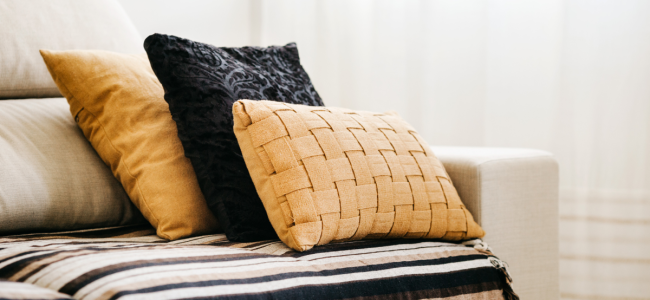
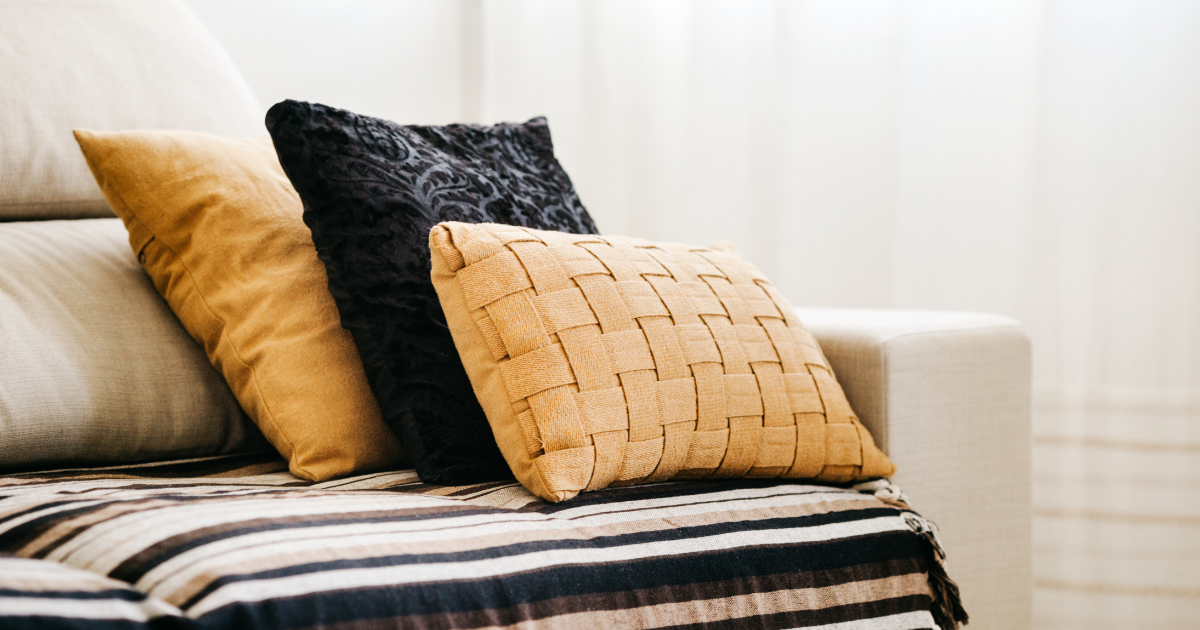
Sofa pillows on a couch

Sofa pillows not only make your sofa comfortable and stylish but also add an extra layer of cushioning to your seating area. However, over time, these pillows accumulate dust, dirt, and germs, which can lead to allergies and infections. Therefore, it’s essential to clean your sofa pillows regularly. In this article, we’ll show you how to wash sofa pillows like a pro and keep them clean and hygienic.

Before we begin, it’s important to note that the cleaning method may vary depending on the type of material your sofa pillows are made of. Therefore, it’s crucial to check the care label instructions before washing your sofa pillows. In case the label is missing or unreadable, follow the guidelines given below.

Vacuum the Pillows

Vacuuming your sofa pillows is an essential step in keeping them clean and fresh. It removes dirt, dust, and debris that can accumulate over time and cause allergens to build up. Here are some tips on how to properly vacuum your sofa pillows:

  1. Use the right vacuum attachment: Use a soft-bristled brush attachment on your vacuum cleaner to prevent damaging the fabric of your pillows. A crevice tool can also be used to remove dirt and debris from hard-to-reach areas.
  2. Vacuum both sides of the pillows: Flip the pillows over and vacuum the other side to ensure all dirt and debris are removed. This is especially important for feather and down-filled pillows, which can accumulate dust and allergens.
  3. Pay attention to the seams and corners: These areas can easily collect dirt and debris, so be sure to pay special attention to them when vacuuming.
  4. Vacuum regularly: It is recommended to vacuum your sofa pillows at least once a week to keep them clean and free of allergens.

In addition to vacuuming, it is also recommended to wash your sofa pillows regularly to maintain their cleanliness and freshness. Always check the care label instructions before washing or vacuuming your sofa pillows to ensure they are properly cared for.

Check for Stains

Checking for stains is an important step in washing your sofa pillows. Before washing, inspect each pillow carefully for stains, as these will require special treatment. Here are some tips on how to check for stains on your sofa pillows:

  1. Look for visible stains: Check the entire surface of each pillow for visible stains. This includes any spots or discoloration that may have been caused by spills, food, or pet stains.
  2. Smell the pillows: Stains can also cause an unpleasant odor, so be sure to smell each pillow to check for any foul smells.
  3. Test for colorfastness: Before treating any stains, it’s important to test the fabric for colorfastness. Dampen a white cloth with water and gently rub it on an inconspicuous area of the fabric. If there is no color transfer, it is safe to proceed with stain removal.
  4. Treat stains before washing: Once you have identified any stains, treat them before washing. You can use a pre-treatment solution or a mixture of baking soda and water to create a paste, then apply it to the stain and let it sit for a few minutes before washing.

By checking for stains before washing your sofa pillows, you can ensure that they are properly treated and cleaned, leaving them looking and smelling fresh. Remember to always follow the care label instructions and use the appropriate cleaning products to avoid damaging the fabric.

Hand Wash or Machine Wash

Now, you can either hand wash or machine wash your sofa pillows, depending on the care label instructions. If the label allows machine washing, use a gentle cycle and mild detergent. Wash the pillows in cold water to prevent shrinkage or damage to the fabric.

If the care label recommends hand washing, fill a tub with lukewarm water and add a mild detergent. Place the pillows in the tub and gently agitate them to remove dirt and stains. Rinse the pillows thoroughly with cold water until all the detergent is removed.

Dry the Pillows

After washing, it’s essential to dry your sofa pillows properly to prevent mold and mildew growth. If the care label allows machine drying, use a low heat setting and add a few dryer balls or clean tennis balls to prevent clumping.

If the care label recommends air drying, place the pillows on a flat surface and fluff them up to help them dry faster. You can also use a fan or a dehumidifier to speed up the drying process.

Fluff the Pillows

Once the pillows are completely dry, fluff them up to restore their shape and volume. You can use your hands or a pillow fluffer to do this. Fluffing will also help remove any clumps or lumps that may have formed during the washing and drying process.

FAQs

How often should I wash my sofa pillows? 

It is recommended to wash your sofa pillows at least once every three to six months to maintain their cleanliness and freshness.

Can I wash all types of sofa pillows? 

No, not all sofa pillows can be washed. Before washing your sofa pillows, check the care label to ensure they are machine washable. If not, you can spot-clean them using a mild detergent and a damp cloth.

Can I dry my sofa pillows in a dryer? 

It depends on the care label instructions. Some sofa pillows can be tumble-dried, while others need to be air-dried. Check the care label instructions to avoid damaging your sofa pillows.

How do I remove tough stains from my sofa pillows? 

For tough stains, use a pre-treatment solution before washing your sofa pillows. You can also try using a mixture of baking soda and water to create a paste, then apply it to the stain and let it sit for a few minutes before washing.

Can I use fabric softener when washing my sofa pillows? 

It is not recommended to use fabric softener when washing sofa pillows. Fabric softeners can leave a residue that can attract dirt and dust, making your pillows look dull and dirty over time. Instead, use a small amount of white vinegar as a natural fabric softener alternative.
Expert Tips for Disinfecting Your Leather Sofa

disinfecting area near leather sofa

Leather sofas are a popular choice for many households, thanks to their elegant look and durability. However, they can also be a breeding ground for germs and bacteria, especially if not cleaned and disinfected properly. With the ongoing pandemic, it is more important than ever to keep your leather sofa clean and sanitized. In this article, we’ll share expert tips for disinfecting your leather sofa and keeping it germ-free.

Understanding Leather and Disinfecting

Leather is a beautiful and durable material that’s commonly used in furniture, clothing, and accessories. It’s made from the hides of animals, such as cows, sheep, and goats, that are tanned and treated to create a soft, flexible material.

One of the unique characteristics of leather is that it’s porous, meaning that it can absorb liquids and particles from the environment. This can make it more susceptible to staining and damage than other materials, which is why it’s important to take proper care of your leather items.

To keep your leather sofa clean and germ-free, it’s important to follow these expert tips:

Use a gentle cleaner

Avoid harsh cleaners that can damage the leather or strip away its natural oils. Instead, use a specialized leather cleaner that’s designed to be gentle on the material.

Check the manufacturer’s instructions

Always check the care instructions that came with your sofa to see if there are any specific recommendations for cleaning and disinfecting.

Test new products on a small, inconspicuous area

Before using a new cleaning or disinfecting product on your entire sofa, test it on a small, hidden area first to make sure it doesn’t cause any damage.

Disinfect regularly

Disinfect your leather sofa at least once a week, or more frequently if it’s in a high-traffic area or if someone in your household is sick.

Use a solution of warm water and mild soap

Mix warm water and a small amount of mild soap, such as dish soap or Castile soap, to create a gentle cleaning solution. Dip a soft cloth into the solution and wring out any excess water, then use it to wipe down the entire surface of your sofa.

Dry thoroughly

After cleaning and disinfecting your leather sofa, make sure to dry it thoroughly to prevent water damage. Use a dry cloth to soak up any excess water, then allow the sofa to air dry completely before using it again.

Choose the Right Disinfectant

When selecting a disinfectant for your leather sofa, make sure it is safe for use on leather. A good option is a disinfectant that contains alcohol or hydrogen peroxide, as these ingredients are effective in killing germs and viruses and won’t damage the leather. Avoid using bleach, ammonia, or any cleaning solution that contains these ingredients as they can cause permanent damage to the leather surface.

Test the Disinfectant

Before disinfecting your entire sofa, it’s important to test the disinfectant on a small, inconspicuous area first. This will ensure that the disinfectant doesn’t cause any discoloration or damage to the leather. Apply a small amount of the disinfectant to a hidden area and wait for a few minutes to see if there is any discoloration or damage.

Clean Before Disinfecting

Before disinfecting, it’s important to clean the leather sofa thoroughly. Use a soft, damp cloth or a leather cleaner to remove any dirt, dust, or stains. Make sure to follow the manufacturer’s instructions for cleaning the leather sofa.

Apply the Disinfectant

Once you’ve tested the disinfectant and cleaned the leather sofa, it’s time to apply the disinfectant. Use a clean, soft cloth to apply the disinfectant to the entire surface of the sofa, paying close attention to the areas where people’s hands come into contact the most. Allow the disinfectant to sit for the recommended time before wiping it off with a clean, damp cloth.

Dry the Sofa Thoroughly

After disinfecting, it’s important to allow the leather sofa to dry thoroughly. Use a clean, dry cloth to wipe away any excess moisture and allow the sofa to air dry completely. Avoid using a hairdryer or any heat source to dry the sofa as this can cause damage to the leather surface.

Maintain Regular Cleaning

To keep your leather sofa germ-free, it’s important to maintain regular cleaning and disinfecting. Wipe down the sofa regularly with a soft, damp cloth and use a leather conditioner to keep the leather moisturized and prevent cracking. Make sure to follow the manufacturer’s instructions for any cleaning or conditioning products used.

FAQs

How often should I disinfect my leather sofa? 

It’s recommended to disinfect your leather sofa at least once a week, or more frequently if it’s in a high-traffic area or if someone in your household is sick.

Can I use any disinfectant on my leather sofa?

No, you should always check the manufacturer’s instructions or consult with a professional to ensure that the disinfectant you use is safe for your particular type of leather.

What’s the best way to disinfect leather without damaging it? 

The safest way to disinfect leather is to use a solution of warm water and mild soap, or a specialized leather cleaner that’s designed to be gentle on the material.

Are there any natural disinfectants that I can use on my leather sofa? 

Yes, there are several natural options for disinfecting leather, such as vinegar, tea tree oil, and hydrogen peroxide. However, it’s important to test these substances on a small, inconspicuous area first to make sure they don’t damage the leather.

Can I use a steam cleaner to disinfect my leather sofa?

No, steam cleaners can cause damage to leather by stripping away its natural oils and causing it to dry out and crack over time. It’s best to avoid using steam cleaners on leather furniture.

Size Matters: Your Ultimate Guide to Returning Sofas That Don’t Fit!

Returning sofas due to size

We’ve all had the experience of purchasing furniture online only to discover that it doesn’t fit through our door or in the intended area. Returning sofas might be a difficult procedure, but don’t worry, we’re here to assist you. We’ll walk you through all you need to know about returning couches that don’t fit and make the process as simple as possible in this complete guide.

Measure Your Space

It is critical to estimate the space where the couch will be placed before ordering it. This will prevent you from being disappointed by a sofa that does not fit. Take measurements of the area’s height, breadth, and depth, as well as any entrances or tight passageways that the sofa will need to pass through. It’s usually a good idea to double-check measurements if you’re unsure.

Check the Sofa’s Dimensions

The measurements of a couch should be stated on the website if you’re searching for one online. Don’t assume that all couches are the same size; even little differences in measurements might imply the difference between a great fit and an uncomfortable squeeze. If the measurements are not specified, please contact the vendor for further information.

Consider the Sofa’s Shape

The form of a couch might influence whether or not it will fit in your room. A sectional couch, for example, maybe too huge for a tiny living room, but a loveseat may be too small for a large family room. Consider the form of the sofa and how it will fit into your area before making your choice.

Look for Removable Parts

Some couches include detachable components such as legs, cushions, or even arms. If you’re having trouble getting a couch through a doorway, eliminating these sections can help. Before attempting to remove any parts, consult the manufacturer’s instructions and save them in a secure location for subsequent reattachment.

Don’t Remove the Packaging

It may be tempting to remove all of the packagings when you receive your sofa to view it in all of its splendor. But, if you suspect the sofa might not fit, leave the packing on until you’re certain. If you need to return the couch, having the original packing will greatly simplify the procedure.

Check the Return Policy

It is critical to check the seller’s return policy before making your order. Some merchants may have a stringent no-return policy, while others may accept returns within a specific duration. When you buy, make sure you understand the policy, and retain all of the original packings in case you need to return the sofa.

Consider Hiring Professionals

If you’ve assessed your area and the measurements of the sofa and are still unclear if it will fit, try contacting an expert. Certain firms specialize in shipping and installing furniture, and they may assist you in ensuring that your sofa fits well. While this can incur an additional expense, it will spare you the trouble and aggravation of attempting to move a sofa on your own.

Returning an inappropriate sofa may be a pain, but by following these tips, you can make the process go as smoothly as possible. Remember to measure your room, double-check the couch’s size, and consider the form of the sofa. Look for removable parts, save the packaging until you’re sure, and double-check the return policy. If everything else fails, don’t be scared to hire professionals.

FAQs

How can I ensure a sofa will fit in my space?

It is critical to measure the height, breadth, and depth of the area where the sofa will be placed. Consider any entrances, small hallways, or staircases that the sofa will need to travel through on its trip to its final location. You may discover the dimensions of the couch on the internet or call the vendor to make sure it will fit.

What if the sofa I receive does not fit?

Check the seller’s return policy before making a purchase, and save all original packing in case you need to return the couch. You may be able to return the sofa to the vendor if it does not fit. However, some businesses have a stringent no-return policy, so it’s critical to thoroughly understand the policy.

Can I make a sofa fit through a doorway by removing parts?

Some couches include detachable elements, such as legs, cushions, or arms, which might make it simpler to maneuver through a doorway. Nevertheless, before attempting to remove any parts, carefully read the manufacturer’s instructions and save them in a secure location for eventual reattachment.

Is it advisable to hire professionals to deliver and install my sofa?

If you’re not sure if the couch will fit in your space, try hiring specialists to transport and install it. Several firms specialize in furniture delivery and installation and may assist you in ensuring that your couch fits well. Although it may incur an additional expense, it can spare you the trouble and aggravation of attempting to move the sofa yourself.

What can I do if the seller has a strict no-return policy?

Your alternatives may be restricted if the vendor has a stringent no-return policy. You may, however, always contact the vendor to explain the issue and see if they are ready to make an exception. If everything else fails, try selling or donating the sofa to someone in need.