The Ultimate Guide to Fix Puddling on Your Leather Sofa Like a Pro

Puddling on a sofa
Puddling on a sofa

Leather sofas are a luxury item that many people invest in to add elegance to their homes. However, over time, leather sofas can develop a problem known as “puddling.” This is when the leather stretches and sags, creating a dip in the seat cushions. Puddling can be unsightly and uncomfortable but don’t worry, we have a comprehensive guide to help you fix it like a pro.

Before we dive into the steps to fix puddling on your leather sofa, let’s first understand what causes this issue. Puddling can happen due to several reasons, such as the leather’s natural aging process, heavy usage, or improper cleaning and conditioning. Additionally, the leather’s quality and thickness can also affect how prone it is to puddling. By knowing the causes of puddling, you can take preventative measures to avoid it in the future.

Now, let’s move on to the steps to fix puddling on your leather sofa:

Clean the Leather 

The first step to fixing any leather-related issue is to clean it thoroughly. You can use a leather cleaner specifically designed for your sofa or create a DIY cleaner by mixing equal parts of water and white vinegar. Gently rub the cleaner onto the leather in circular motions using a soft-bristled brush or cloth. This step will remove any dirt, grime, or oils that may have accumulated on the surface.

Assess the Damage 

Once the leather is clean and dry, you can assess the extent of the damage caused by puddling. Check the affected areas for any tears or scratches that may have occurred due to the stretching and sagging. If you find any significant damage, it’s best to consult a professional leather repair service. They can assess the damage and suggest the best course of action.

Apply a Leather Conditioner 

After assessing the damage, apply a leather conditioner to the affected areas. A conditioner will help rejuvenate the leather and restore its natural oils, preventing further damage. Be sure to use a high-quality leather conditioner that’s suitable for your sofa’s leather type. Apply the conditioner using a soft cloth and allow it to penetrate the leather for 30 minutes to an hour.

Add Support 

If the puddling on your leather sofa is minor, you can add support to the affected areas to restore their shape. One way to do this is by placing a piece of high-density foam beneath the seat cushions. You can cut the foam to the shape and size of the affected area and place it between the cushion and the sofa’s frame. This will help provide additional support and prevent further sagging.

Use a Leather Stretcher 

If the puddling is severe, you may need to use a leather stretcher to restore the shape of the affected area. A leather stretcher is a tool specifically designed to stretch and shape leather. You can rent or purchase one and follow the instructions carefully to avoid damaging the leather. It’s essential to note that leather stretching is a delicate process and should only be performed by professionals if you’re unsure.

Regular Maintenance 

To prevent puddling on your leather sofa in the future, it’s essential to maintain it regularly. Clean the leather every three to four months using a leather cleaner and condition it every six months. Avoid exposing your leather sofa to direct sunlight or heat sources, which can dry out the leather and cause it to crack. Also, avoid sitting on the arms or backrest of your sofa, which can weaken the leather.

Conclusion

A leather sofa is a beautiful and durable addition to any home, but it does require proper care and maintenance to keep it looking its best. By following the tips and techniques outlined in this guide, you can keep your leather sofa in top condition, and repair any damage that may occur. 

Remember to clean your sofa regularly, condition it to keep it soft and supple, and take care to avoid exposing it to direct sunlight, heat sources, and moisture. And if your leather sofa does become damaged, assess the extent of the damage and choose the appropriate repair method. With the right care and attention, your leather sofa will continue to look and feel great for many years to come.

FAQs

Can I just use any cleaner lying around the house to clean my leather sofa? 

No, please don’t! It might be tempting to use household cleaners to save money, but it can do more harm than good. Most household cleaners contain harsh chemicals that can damage your leather sofa. Always choose a cleaner that’s specially formulated for your sofa’s leather type.

How often should I condition my leather sofa? 

Well, it depends on how often you use your sofa and the type of leather it’s made of. As a general rule, it’s a good idea to condition your leather sofa every six months to keep it soft and supple.

Can I fix a tear in my leather sofa myself? 

Hmm, it depends on the extent of the damage. Minor scratches or scuffs can be fixed with a leather touch-up pen or a leather repair kit, but for more serious damage such as tears or deep scratches, it’s better to seek the help of a professional leather repair specialist.

How do I protect my leather sofa from damage? 

To protect your leather sofa from damage, try to avoid exposing it to direct sunlight, heat sources, and moisture. You can use a leather protector spray to help prevent stains and spills, and always clean up any spills as soon as possible.

How do I prevent my leather sofa from cracking or drying out? 

To prevent your leather sofa from cracking or drying out, make sure to condition it regularly with a good quality leather conditioner. Also, avoid exposing it to direct sunlight or heat sources, and maintain a consistent humidity level in the room where it is located.
Transform Your Leather Sofa with These Amazing Design Tips and Tricks

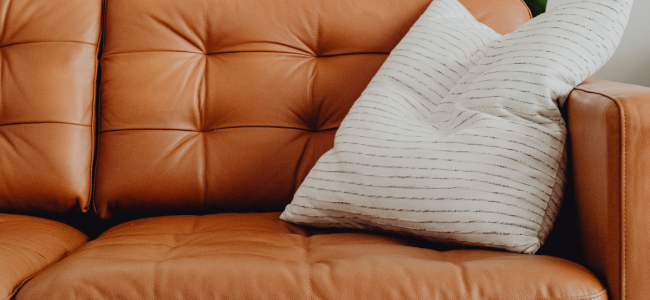
A Tan Leather Sofa with a cushion on it

Welcome to our comprehensive guide on decorating a leather sofa! A leather sofa is a timeless piece of furniture that can add sophistication and style to any room. However, when it comes to decorating around a leather sofa, it can be challenging to strike the right balance between elegance and comfort.

That’s where this guide comes in. We have compiled a list of tips and tricks to help you unleash your inner designer and create a beautiful, inviting space that complements your leather sofa. From choosing the right color scheme to selecting the perfect accessories, we will cover everything you need to know to decorate your leather sofa like a pro.

First, we will explore the different color schemes that work well with a leather sofa, including earth tones, bold accents, and complementary colors. We will also discuss the importance of texture and how to incorporate different fabrics to add depth and interest to your decor. 

Additionally, we will provide tips on choosing the right accessories, including accent pillows, throws, and rugs, to complete your space.

Whether you are starting from scratch or looking to refresh your current decor, this guide has everything you need to know to decorate a leather sofa in style. So, let’s dive in and start exploring how to create a beautiful and inviting space that reflects your taste and style.

Choose the Right Color Scheme 

Choosing the right color scheme is essential to creating a cohesive and stylish look around your leather sofa. One of the most popular color schemes that work well with a leather sofa is earth tones. Earth tones are warm and inviting and can help create a cozy and welcoming atmosphere in your living space. Shades such as beige, cream, and olive green pair perfectly with the natural tones of leather, creating a sophisticated and harmonious look.

If you’re looking to add a pop of color to your space, you can also consider incorporating bold accent colors into your decor. Jewel tones such as emerald green or sapphire blue can add a touch of drama and elegance to your living room. Similarly, bright and cheerful shades such as tangerine or lemon yellow can create a lively and energetic feel.

When selecting a color scheme, it’s important to consider the overall mood and style that you want to create in your living space. If you’re going for a more subdued and refined look, then sticking with earth tones or neutral shades may be the best option. On the other hand, if you want to create a vibrant and playful atmosphere, then experimenting with bright and bold accent colors can be a fun and exciting option.

No matter what color scheme you choose, be sure to incorporate different textures and patterns to add depth and interest to your decor. Mixing and matching different fabrics and textures can create a dynamic and visually appealing space that reflects your unique taste and personality.

Add Texture and Pattern 

Leather sofas can be a bit overwhelming on their own, so it’s important to balance them out with other textures and patterns. Adding a few throw pillows with a different texture or pattern can add visual interest to the space and make it feel more inviting. You might also consider adding a patterned rug or a few textured blankets to your living room to create a cozy and comfortable atmosphere.

Mix and Match Materials 

Leather sofas can be paired with a wide variety of materials to create a unique and interesting space. For example, you might pair your leather sofa with a wooden coffee table or a metal end table. Mixing and matching different materials can create a unique and eclectic look that’s sure to impress.

Consider the Size of Your Room 

When decorating around a leather sofa, it’s important to consider the size of your room. If your living room is small, you might want to opt for a smaller leather sofa and pair it with smaller accent pieces. On the other hand, if your living room is large, you might want to go for a larger leather sofa and pair it with larger accent pieces.

Don’t Forget About Lighting 

Lighting is an often-overlooked aspect of decorating a living room, but it can have a big impact on the overall look and feel of the space. When decorating around a leather sofa, it’s important to consider the lighting in the room. Adding a few table lamps or floor lamps can help create a warm and inviting atmosphere that’s perfect for relaxing.

Conclusion

In conclusion, decorating a leather sofa can seem like a daunting task, but with the right tips and tricks, you can unleash your inner designer and create a stylish and inviting space. Remember to consider the color scheme, texture, and accessories when choosing your decor. Additionally, don’t be afraid to mix and match different styles to create a unique look that reflects your personality and taste.

FAQs

What colors go well with a brown leather sofa?

Earth tones such as beige, cream, and olive green complement a brown leather sofa well. You can also add pops of color with bold accent pillows or a colorful rug.

How can I clean and maintain my leather sofa?

To keep your leather sofa looking its best, wipe it down with a clean, damp cloth regularly. Use a leather cleaner or conditioner every few months to keep the leather soft and supple.

Can I mix leather furniture with other fabrics?

Yes, you can mix leather furniture with other fabrics. Mixing textures and fabrics can add depth and interest to your decor.

How can I add personality to my leather sofa?

You can add personality to your leather sofa by incorporating fun and unique accent pieces such as patterned throw pillows, a colorful rug, or a statement piece of artwork.

What are some common mistakes to avoid when decorating a leather sofa?

Common mistakes to avoid include choosing decor that is too matchy-matchy, overcrowding the space, and neglecting to add texture and color to the room. Additionally, avoid placing your leather sofa in direct sunlight or near heat sources, which can cause the leather to fade and crack over time.

The Ultimate Guide to Restoring Your Leather Sofa to Its Former Glory

A yellow leather sofa set

Leather sofas are a popular choice for homeowners due to their luxurious feel and long-lasting durability. However, over time, even the best leather sofa can start to show signs of wear and tear, leaving you with a shabby and worn-out-looking piece of furniture. But don’t worry, with a little know-how and elbow grease, you can restore your leather sofa to its former glory. In this ultimate guide, we’ll show you everything you need to know about restoring your leather sofa.

Why Choose Leather? 

Leather is a natural material that is both stylish and durable. It is perfect for high-traffic areas and can withstand the wear and tear of everyday use. Unlike synthetic materials, leather develops a patina over time that adds to its character, making it an investment piece that will last for many years.

Understanding Leather 

Before you begin the restoration process, it’s important to understand the type of leather you’re dealing with. There are two main types of leather: aniline and pigmented. Aniline leather is the most natural-looking type of leather and is generally the softest and most comfortable. Pigmented leather is coated with a protective layer that makes it more durable and easier to clean. Knowing which type of leather you have will help you choose the right products for cleaning and restoring your sofa.

Cleaning Your Leather Sofa

The first step in restoring your leather sofa is to clean it thoroughly. Use a soft-bristled brush to remove any dust or dirt from the surface of the leather. Then, mix a few drops of mild soap with water and apply it to the sofa with a soft cloth, being careful not to saturate the leather. Wipe away the soap with a clean damp cloth and dry the sofa with a soft towel.

Removing Stains 

If your leather sofa has stubborn stains, you can use a leather-specific cleaner to remove them. Apply the cleaner to a soft cloth and rub it into the stain, being careful not to scrub too hard. Wipe away the cleaner with a clean damp cloth and dry the sofa with a soft towel.

Restoring Color and Shine 

Over time, leather can lose its color and shine. To restore the color and shine of your sofa, you can use a leather conditioner. Apply the conditioner to a soft cloth and rub it into the leather in a circular motion. Allow the conditioner to soak into the leather for a few minutes before wiping away any excess with a clean cloth.

Repairing Scratches and Scuffs 

If your leather sofa has scratches or scuffs, you can use a leather repair kit to fix them. These kits typically include a filler and a colorant that you can use to fill in the scratches and restore the color. Follow the instructions carefully and take your time to ensure the best results.

Preventing Future Damage 

To keep your leather sofa looking its best, it’s important to take steps to prevent future damage. Avoid placing your sofa in direct sunlight, as this can cause the leather to fade and dry out. Keep your sofa away from heat sources, such as radiators, as this can also cause the leather to dry out. Use a leather conditioner regularly to keep the leather soft and supple, and avoid using harsh chemicals or abrasive cleaners that can damage the leather.

Conclusion

Restoring a leather sofa to its former glory can be a time-consuming process, but the results are well worth it. With the right tools and techniques, it is possible to remove stains, scratches, and other blemishes, and restore the natural beauty of the leather. Whether you are dealing with aniline or pigmented leather, it is important to use products and methods that are appropriate for the specific type of leather. 

Regular maintenance and care can help prolong the life of your leather sofa and keep it looking great for years to come. We hope that this guide has provided you with the information you need to restore your leather sofa and enjoy it for many more years.

FAQs 

How can I tell if my leather sofa is aniline or pigmented leather?

Aniline leather will have a more natural, soft look and feel, while pigmented leather will have a more uniform and glossy appearance. You can also try the water test: apply a small drop of water to an inconspicuous area of the leather. If the water beads up and does not absorb into the leather, it is likely pigmented leather. If the water is absorbed and leaves a dark spot, it is likely aniline leather.

Can I use a hair dryer to dry my leather sofa after cleaning?

No, using a hair dryer or any other heat source to dry your leather sofa can cause it to dry out and become brittle. Instead, use a soft towel to gently pat the leather dry.

My leather sofa has a strong odor. What can I do to get rid of it? 

Leather can sometimes have a strong odor, particularly if it is new. To remove the odor, try leaving the sofa in a well-ventilated area for a few days. You can also sprinkle baking soda on the surface of the leather and leave it for a few hours before vacuuming it away.

Can I use a leather conditioner on faux leather? 

No, the leather conditioner is designed specifically for genuine leather and may not be effective on faux leather. If you have a faux leather sofa, be sure to use a cleaner and conditioner that is specifically designed for synthetic materials.

Is it safe to use vinegar on my leather sofa?

No, vinegar can be too harsh for leather and may cause it to dry out or discolor. Stick to mild soap and water or a leather-specific cleaner for cleaning your leather sofa.