The Ultimate Dos and Don’ts for Deep Cleaning Your Leather Sofa

A Brown Leather Sofa With a Girl and a Dog on it

Leather sofas are a popular choice for many homeowners. They are durable, comfortable, and stylish. However, just like any other piece of furniture, a leather sofa requires regular cleaning to maintain its beauty and prolong its lifespan.

 In this article, we will share with you the dos and don’ts of deep cleaning your leather sofa. We will also provide some tips on how to properly care for your leather sofa to keep it looking its best.

Dos of Deep Cleaning Your Leather Sofa

Do use a gentle leather cleaner

When deep cleaning your leather sofa, it is important to use a gentle leather cleaner. Harsh chemicals and abrasive cleaners can damage the leather and cause discoloration. Look for a cleaner that is specifically formulated for use on leather furniture.

Do test the cleaner on a small, inconspicuous area

Before applying the cleaner to your entire leather sofa, it is important to test it on a small, inconspicuous area first. This will help you to ensure that the cleaner does not cause any damage to the leather.

Do use a soft, non-abrasive cloth

When applying the cleaner to your leather sofa, it is important to use a soft, non-abrasive cloth. This will help to avoid scratching or damaging the leather. Microfiber cloths are a good option, as they are gentle and effective at removing dirt and grime.

Do clean your leather sofa regularly

Regular cleaning is essential for maintaining the beauty and longevity of your leather sofa. Aim to clean your sofa at least once a month to keep it looking its best.

Do condition your leather sofa

In addition to cleaning your leather sofa, it is important to condition it regularly as well. Leather conditioner helps to keep the leather supple and prevents cracking and drying out.

Don’ts of Deep Cleaning Your Leather Sofa

Don’t use water

Leather is not a fan of water. Excess water can cause the leather to become discolored, warped, or even crack. Instead of using water, opt for a gentle leather cleaner that is specifically designed for use on furniture.

Don’t use abrasive cleaners

Abrasive cleaners can cause damage to your leather sofa. They can scratch the leather and strip away its protective coating. Avoid using harsh chemicals or abrasive cleaners on your leather sofa.

Don’t use heat

Heat can cause the leather to dry out and crack. Avoid placing your leather sofa in direct sunlight or near a heat source, such as a radiator or fireplace.

Don’t use too much cleaner

Using too much cleaner on your leather sofa can leave behind a residue that is difficult to remove. Follow the instructions on the cleaner carefully, and avoid using too much product.

Don’t neglect spills and stains

If you spill something on your leather sofa, it is important to clean it up as soon as possible. Neglecting spills and stains can lead to discoloration or even damage to the leather.

Conclusion

In conclusion, keeping your leather sofa clean and well-maintained is important to help it last for years to come. By following the dos and don’ts of deep cleaning, you can ensure that your leather sofa remains in great condition and continues to be a beautiful and comfortable addition to your home. 

Remember to always use the right products for cleaning, avoid harsh chemicals and abrasive materials, and follow the manufacturer’s instructions for care and maintenance. With proper care, your leather sofa can provide many years of comfort and style.

FAQs

Can I clean my leather sofa with water?

It is generally not recommended to clean a leather sofa with water, as it can cause the leather to become discolored or damaged. Instead, use a leather cleaner specifically designed for use on leather furniture.

Is it safe to use vinegar or other home remedies to clean my leather sofa?

While some home remedies, such as vinegar and olive oil, may be effective for cleaning leather, it is important to use caution and test a small, inconspicuous area of the leather first. Improper use of home remedies can damage the leather, so it is often best to stick with a leather cleaner designed for use on furniture.

Can I use a vacuum to clean my leather sofa?

Yes, a vacuum can be an effective way to remove dirt and debris from a leather sofa. However, be sure to use a soft brush attachment to avoid scratching the leather.

How often should I deep clean my leather sofa?

The frequency with which you should deep clean your leather sofa will depend on factors such as how often it is used and whether it is located in a high-traffic area of your home. As a general rule, it is a good idea to deep clean your leather sofa every 6 to 12 months.

What should I do if my leather sofa becomes stained?

The best approach to removing a stain from a leather sofa will depend on the type of stain and the type of leather. In general, it is best to avoid using harsh chemicals or abrasive materials that could damage the leather. If you are unsure how to remove a stain from your leather sofa, consult a professional leather cleaning service.


Discover the Most Popular Colors for Leather Sofas in 2023

Leather Sofas
Leather Sofas

If you’re on the hunt for a leather sofa that will beautifully complement your home’s decor, then you’ve come to the right place. In this article, we will be delving into the leather sofas color trends of 2023, enabling you to find the perfect match for your home. From the latest hues to the most in-demand styles and materials, we’ve got everything covered.

When it comes to selecting a leather sofa, color is a crucial factor to keep in mind. The right color can revamp your living area, set a particular ambiance, and even make your space look more spacious or cozier. In 2023, a few trending colors are expected to dominate the leather sofa market. Without further ado, let’s explore what those colors are.

Classic Black 

Black leather sofas have a timeless appeal that remains unmatched. With their understated elegance and versatility, they have long been a favorite among homeowners. As we move toward the year 2023, we predict a considerable rise in the demand for black leather sofas. These sofas are an excellent choice for anyone who desires a modern and sophisticated appearance, especially for those with a minimalist decor style.

Neutral Beige 

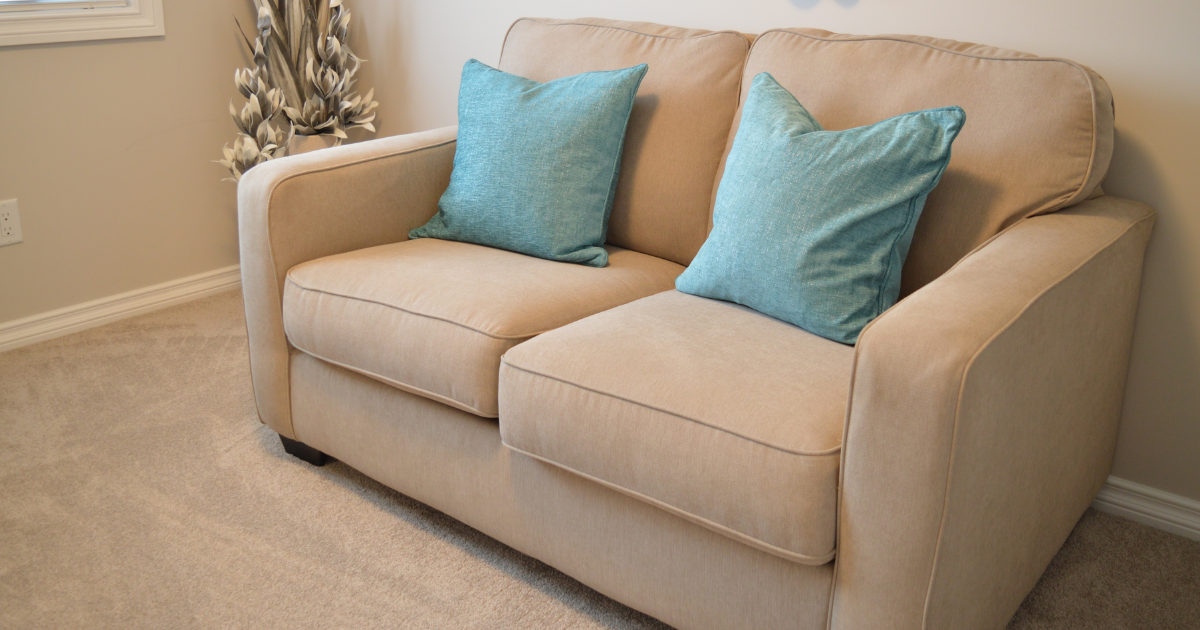
Neutral tones have been a popular choice in interior design for some time, and beige is no exception. When it comes to furniture, a beige leather sofa can add a touch of elegance and timelessness to any living space. This versatile color complements a wide range of interior design styles, making it a top choice for homeowners who like to update their decor frequently.

Beige leather sofas blend seamlessly with various color schemes, from muted pastels to bold, vibrant hues. They can also serve as a neutral anchor for a room with patterned accent pieces or colorful artwork. Beige has a warm and inviting quality, creating a cozy atmosphere perfect for relaxing or entertaining.

Cool Gray

The selection of gray leather sofas is a fashionable and modern choice that’s favored by many homeowners. It’s projected that this trend will continue into the year 2023, as gray sofas harmonize effortlessly with a broad range of decor styles. The presence of a gray leather sofa in any living space can impart an atmosphere of contemporary sophistication.

Warm Brown

A brown leather sofa has long been regarded as a classic option, and it’s expected to remain a beloved choice in the upcoming year. These sofas possess the ability to imbue any living space with an inviting and warm atmosphere, making them a prime selection for individuals who seek a comfortable and cozy environment. Brown leather sofas are versatile and blend effortlessly with various decor styles.

Bold Colors

In the year 2023, there’s a predicted surge in the popularity of striking and vibrant colors. Colors like red, green, and blue are capable of infusing any living space with a dynamic and distinctive personality, making them a splendid choice for individuals who desire to express their decor style boldly. It’s essential, however, to deliberate on the current color scheme, to ensure that the chosen colors don’t clash.

Two-tone

Leather sofas are projected to remain a well-liked option in the year 2023, with a particular preference for two-tone designs. These unique designs add an eye-catching and trendy component to any living space, with an extensive range of color combinations to choose from.

Modern Materials

Even though leather is a classic material utilized in sofa making, modern materials like velvet, suede, and synthetic leather are expected to experience a rise in demand in the year 2023. These materials offer a distinct and fashionable appearance that can be employed to establish a specific mood or ambiance in any living space.

Conclusion

To sum up, the selection of the appropriate color for your leather sofa is a crucial choice that can immensely impact the overall character and mood of your living space. With the 2023 leather sofa color trends, there is a broad spectrum of options at your disposal, ranging from vivid, dynamic tones to more subtle and neutral hues. When making your decision, it is paramount to take into account your taste, the current décor of your home, and your financial plan.

Moreover, it is imperative to consider factors such as the toughness and simplicity of the upkeep of your leather sofa while also ensuring proper care to guarantee its longevity. By considering these aspects and keeping yourself up-to-date with the latest trends, you can discover the perfect leather sofa color that will elevate your living space’s aesthetics and vibe.

FAQs 

Can I dye or change the color of my leather sofa?

It is possible to dye or change the color of your leather sofa, but it’s important to note that this process can be tricky and requires professional expertise. It’s also essential to consider whether the new color will complement your decor and whether the cost of dyeing is worth it compared to purchasing a new sofa.

How do I remove stains from my leather sofa?

To remove stains from your leather sofa, avoid using water or soap, as these can damage the leather. Instead, use a leather cleaner specifically designed for your type of leather and follow the instructions carefully. It’s also a good idea to address stains as soon as they occur to prevent them from setting in.

Can I place my leather sofa in direct sunlight?

It’s best to avoid placing your leather sofa in direct sunlight or near heat sources, as this can cause the leather to dry out, fade, or crack. If you must place your sofa in a sunny spot, consider using curtains or blinds to block out the sun’s rays.

How often should I condition my leather sofa?

The frequency of conditioning your leather sofa depends on factors such as how frequently it’s used and the dryness of the air in your home. In general, it’s a good idea to condition your leather sofa every six to twelve months to keep it soft and supple.

What should I do if my leather sofa gets scratched?

Minor scratches on the leather can often be buffed out using a soft cloth or a leather conditioner. For deeper scratches or tears, it’s best to consult a professional leather repair service to avoid further damage.

Restuffing Your Leather Sofa Furniture: Simple Guide

A sofa after restuffing
A Sofa after restuffing

Are you tired of sitting on a sagging leather sofa? Do you find it uncomfortable and unsightly? Don’t worry, you don’t have to spend a lot of money buying a new one. In this comprehensive guide, we will show you how to restuff and revive your leather sofa, making it look and feel like new.

Here’s what we will cover in this article:

  1. Understanding the causes of a sagging leather sofa
  2. Tools and materials needed for restuffing
  3. A step-by-step guide to restuffing your sofa
  4. Tips for maintaining your newly restored sofa
  5. Frequently Asked Questions

Understanding the Causes of a Sagging Leather Sofa

Sagging leather sofas are a common problem, but do you know what causes them? The most common reason is the natural wear and tear that occurs over time. The foam in the cushions begins to break down, causing the leather to sag. Additionally, the leather itself may stretch and lose its elasticity over time.

Another reason for sagging could be improper care and maintenance. Leather furniture requires regular cleaning and conditioning to keep it supple and prevent it from drying out and cracking. Neglecting to care for your leather sofa can cause it to age prematurely and sag.

Tools and Materials Needed for Restuffing

Before you start restuffing your leather sofa, you will need to gather some tools and materials. Here’s what you’ll need:

  1. New foam inserts – Make sure to measure the size of your current cushions to ensure that the new ones fit properly.
  2. Batting – This will help to give your cushions a more rounded shape.
  3. Polyester fiberfill – This will add a layer of softness to your cushions.
  4. Staple gun – This will be used to secure the batting and fiberfill to the foam inserts.
  5. Scissors – You’ll need these to cut the batting and fiberfill to the appropriate size.
  6. Leather cleaner and conditioner – This will be used to clean and condition the leather before and after the restuffing process.

Step-by-Step Guide to Restuffing Your Sofa

Now that you have your tools and materials, it’s time to start restuffing your leather sofa. Follow these steps:

Step 1: Remove the cushions from your sofa and take out the old foam inserts. If the foam is still in good condition, you can reuse it, but make sure to fluff it up and reshape it.

Step 2: Cut the batting and fiberfill to the appropriate size and wrap them around the foam inserts.

Step 3: Use a staple gun to secure the batting and fiberfill to the foam inserts. Make sure to pull the batting and fiberfill tight to avoid any wrinkles or sagging.

Step 4: Once the batting and fiberfill are secured, wrap the foam inserts in a layer of Dacron. This will help to smooth out any lumps and bumps and give your cushions a more professional look.

Step 5: Finally, place the cushions back on the sofa and enjoy your newly restored leather sofa.

Tips for Maintaining Your Newly Restored Sofa

Now that you’ve successfully restuffed your leather sofa, it’s important to maintain it to ensure it lasts as long as possible. Here are some tips:

  1. Clean and condition your leather sofa regularly to prevent it from drying out and cracking.
  2. Avoid placing your sofa in direct sunlight or near a heat source, as this can cause the leather to fade and dry out.
  3. Fluff up and reshape your cushions regularly to prevent them from sagging.
  4. Rotate your cushions to ensure even wear and tear.
  5. If you have pets, keep their nails trimmed to prevent them from scratching or puncturing the leather.
  6. Use a leather protectant spray to help repel spills and stains.
  7. Avoid sitting on the arms of the sofa, as this can cause the leather to stretch and sag.
  8. If you spill something on your leather sofa, clean it up immediately to prevent it from seeping into the leather.
  9. Consider using a furniture cover to protect your sofa from dust and debris when not in use.

Conclusion

A sagging leather sofa can be a frustrating and uncomfortable problem, but it doesn’t have to mean the end of your furniture. By restuffing and reviving your leather sofa, you can extend its life and make it look and feel like new. With the right tools and materials, restuffing your sofa is a simple DIY project that anyone can do. Remember to maintain your sofa with regular cleaning and conditioning, and it will continue to look great for years to come.

Frequently Asked Questions

How often should I restuff my leather sofa?

It’s recommended to restuff your sofa every 5-7 years, depending on the amount of use it gets.

Can I restuff my sofa myself, or do I need to hire a professional? Restuffing your sofa is a DIY project, and you can do it yourself as long as you have the necessary tools and materials.

What type of foam should I use to restuff my sofa?

High-density foam is recommended for restuffing your sofa, as it is durable and provides good support.

Can I reuse the old foam inserts?

If the foam is still in good condition, you can reuse it. However, it’s important to fluff it up and reshape it before wrapping it in batting and fiberfill.

How can I prevent my leather sofa from sagging in the first place? Regularly cleaning and conditioning your leather sofa, avoiding harsh chemicals, and avoiding direct sunlight and heat sources can help prevent your sofa from sagging prematurely.